China Durable Bathroom Heaters Manufacturer
Bathroom Heaters: Your Complete Guide to Warmth, Comfort, and Safety
Stepping out of a warm shower or bath into a chilly bathroom is an unpleasant experience many homeowners face, especially during colder months. A dedicated bathroom heater is the perfect solution, transforming your bathroom from a cold, unwelcoming space into a warm, comfortable sanctuary. Beyond comfort, these heaters play a crucial role in preventing mold and mildew by reducing excess moisture. This comprehensive guide, backed by decades of industry expertise, will delve into the types, features, and critical considerations for choosing the ideal bathroom heater, with a detailed look at the professional-grade specifications of Chenrui heating solutions.
Bathroom Heaters: Frequently Asked Questions (FAQ)
What is the safest type of heater for a bathroom?
The safest heaters are those specifically designed for bathroom use with an appropriate IP (Ingress Protection) rating. Look for a minimum of IPX4 for general bathroom areas. Hardwired, wall-mounted units like heat lamps, fan heaters, or panel heaters are generally safer than portable plug-in models, as they are permanently fixed away from water sources and often have built-in safety cut-offs. Brands like Chenrui engineer their bathroom heaters with these critical safety standards as a priority.
How much does it cost to run a bathroom heater?
Operating cost depends on the heater's wattage and how long you use it. A 1500W heater running for 30 minutes daily uses 0.75 kWh. Multiplying this by your electricity cost per kWh (e.g., $0.15) gives a daily cost of about $0.11, or roughly $3.30 per month. Using a timer or thermostat significantly reduces running costs by preventing unnecessary operation. Higher-wattage models like the 2300W Chenrui CR-H2300 heat spaces faster, which can sometimes lead to shorter run times and comparable overall energy use for a given heating task.
What size/wattage bathroom heater do I need?
Wattage needs are primarily determined by room volume and insulation. A basic rule of thumb is approximately 10 watts per square foot of floor space. For a well-insulated 50-square-foot bathroom, a 1500W heater is often adequate. For larger spaces, poor insulation, or if you desire very quick heating, 2000W-2500W is recommended. Consulting the manufacturer's guidelines is crucial; for instance, Chenrui provides detailed sizing charts based on room cubic footage for each model to ensure optimal performance.
What is the difference between IPX4 and IPX5 ratings?
The IP rating's second digit defines liquid protection. IPX4 means the unit is protected against water splashes from any direction. IPX5 means it can withstand low-pressure water jets (6.3mm nozzle) from any direction without harmful effects. In bathroom zoning, IPX4 is suitable for areas likely to experience condensation and light splashes (Zone 3). IPX5 or higher is required for areas closer to the water source, such as above or beside a bath or shower (Zone 2). Always check your local building regulations for specific requirements.
Installation and Safety Best Practices
Proper installation is paramount for safety and performance. Always adhere to the manufacturer's instructions and local electrical codes.
- Follow Bathroom Zoning Rules: Bathrooms are divided into zones (0, 1, 2, and 3) based on proximity to water. Ensure your chosen heater has an IP rating suitable for the specific zone where it will be installed. Never install a heater not rated for bathrooms within these zones.
- Professional Hardwiring: Have a qualified electrician connect hardwired units to a dedicated circuit from your fuse box (consumer unit). This circuit should be protected by a Residual Current Device (RCD/GFCI) for added safety.
- Optimal Placement: Install wall or ceiling-mounted units at a height where they can distribute heat effectively without being obstructed by cabinets or users. Avoid placing them directly above a bath or shower unless the model has a very high IP rating (e.g., IPX5+) and is specifically designed for it.
- Regular Maintenance: Keep the heater's vents and grilles clean and free from dust and lint to prevent overheating and maintain efficiency. For fan heaters, occasional vacuuming of the intake is recommended. Always turn off the power at the circuit breaker before attempting any cleaning.
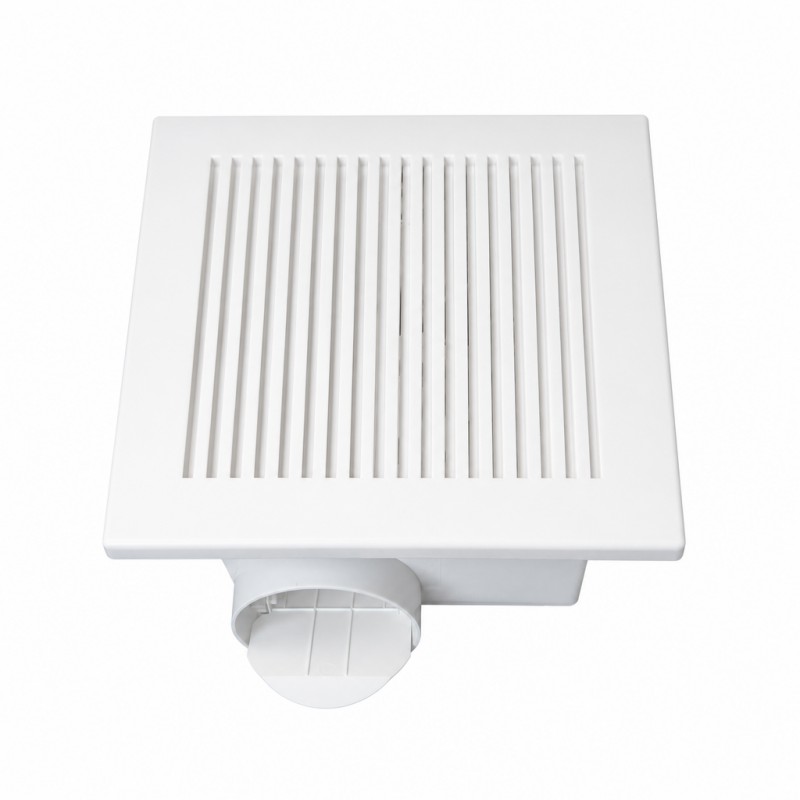
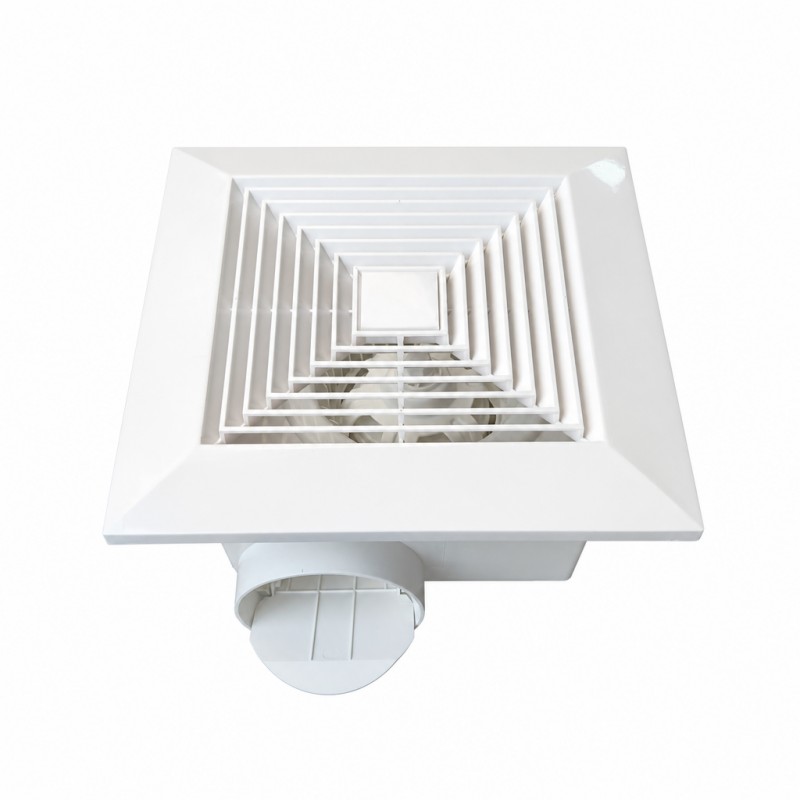
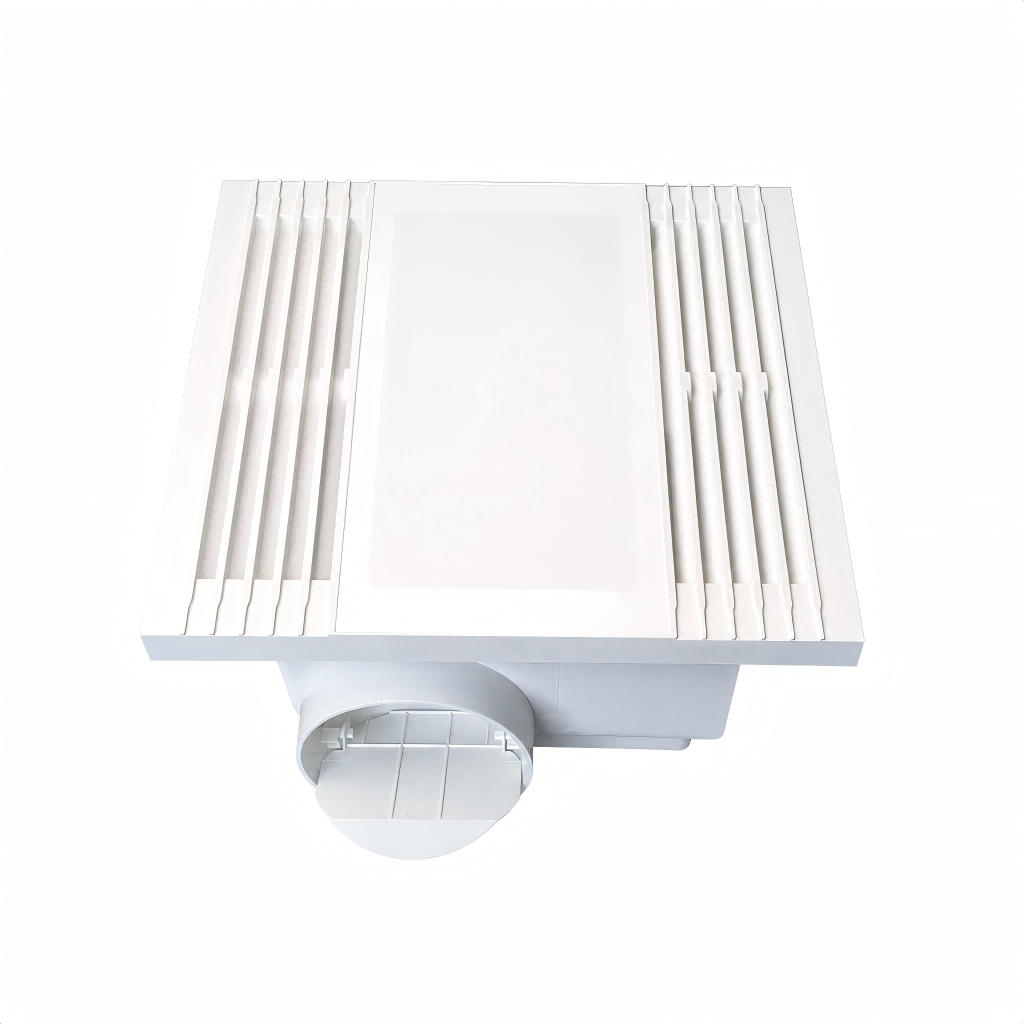
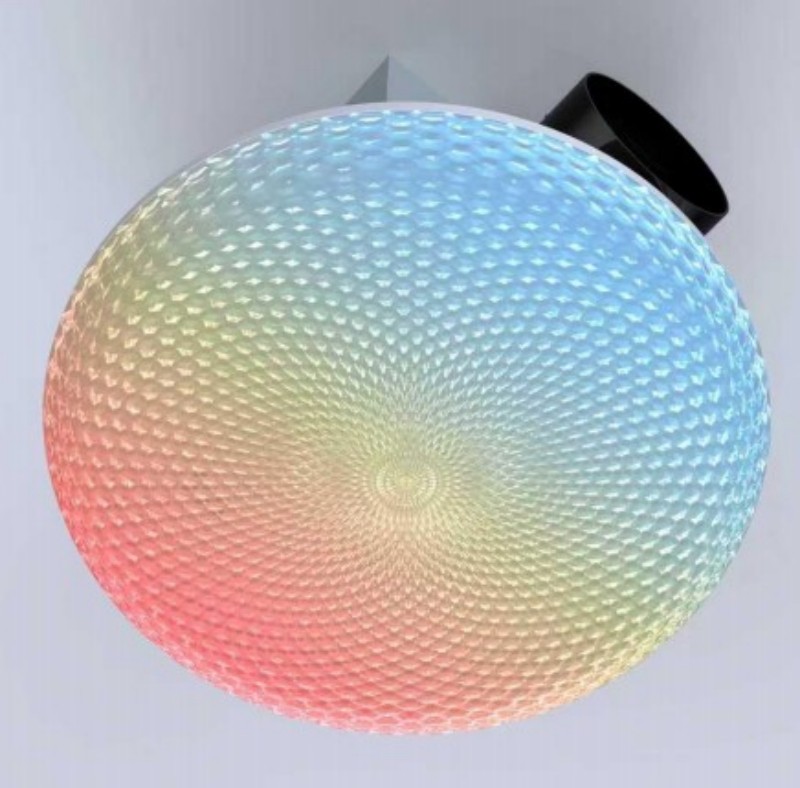
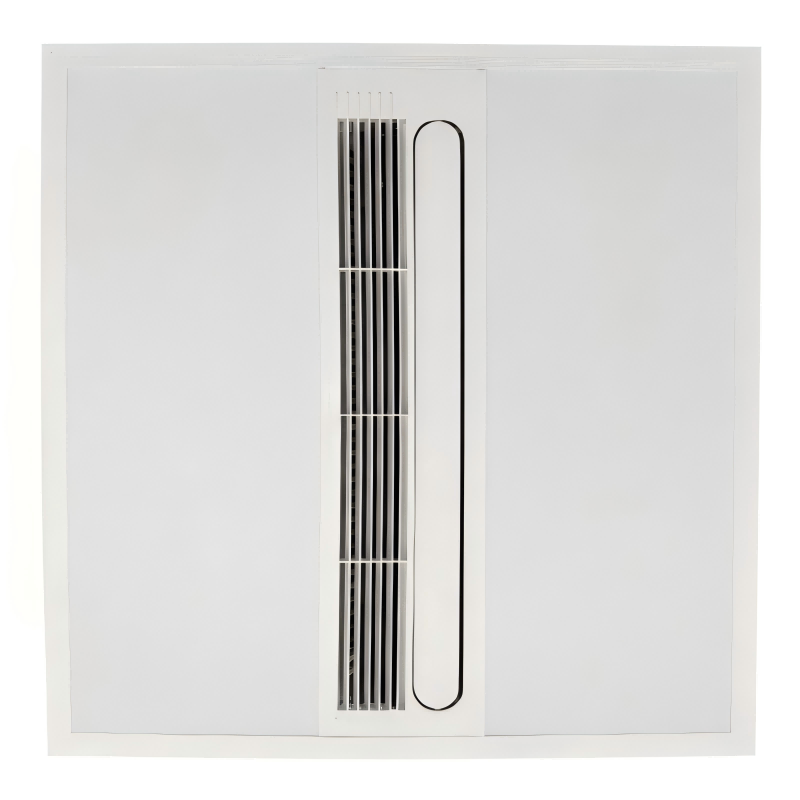
- View as
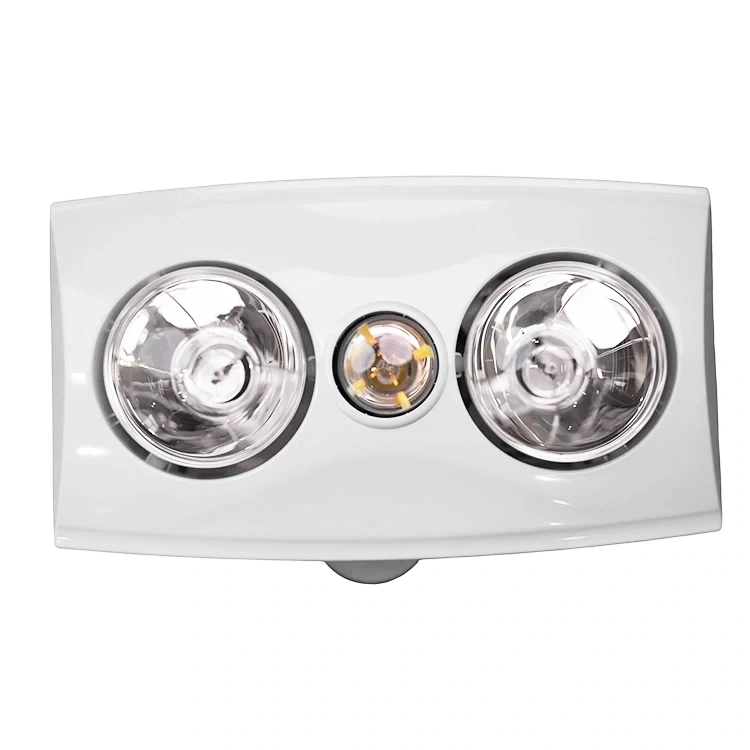
Heat Lamp Bathroom Heater
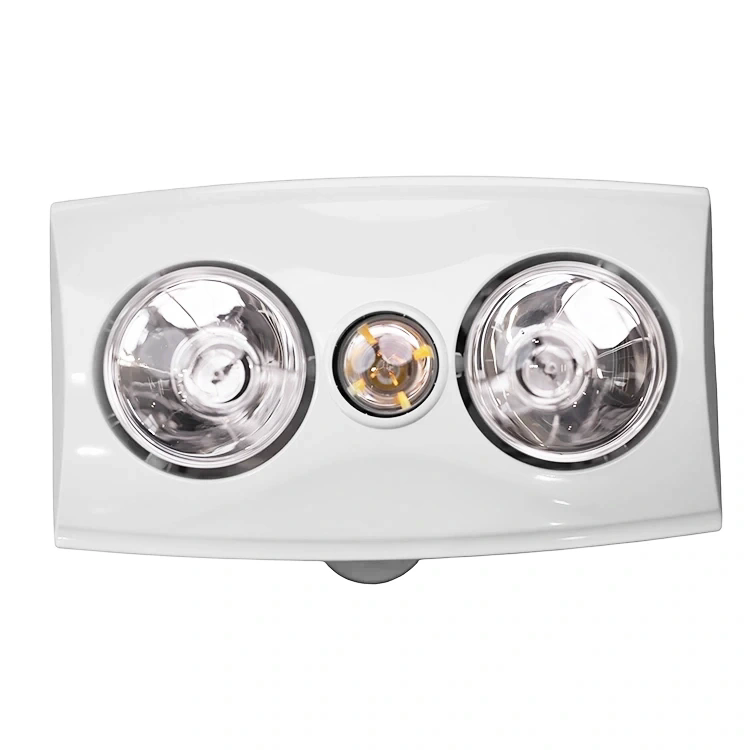
As a specialized manufacturer and supplier of home climate solutions, Jiaxing Chenrui Electrical Technology Co., Ltd. delivers Heat Lamp Bathroom Heaters that define safety and comfort. Leveraging our vertical integrated manufacturing and independent R&D, these heaters provide instant, cozy warmth specifically designed for high-humidity environments. Each unit undergoes rigorous quality inspections and holds global certifications such as SAA, CE, and UL, ensuring stable performance and superior electrical safety. By mastering core processes from mold development to final assembly, Jiaxing Chenrui provides global partners with durable, ceiling-mounted or wall-mounted bathroom heating solutions that bring the precision of "China Smart Manufacturing" into modern homes.
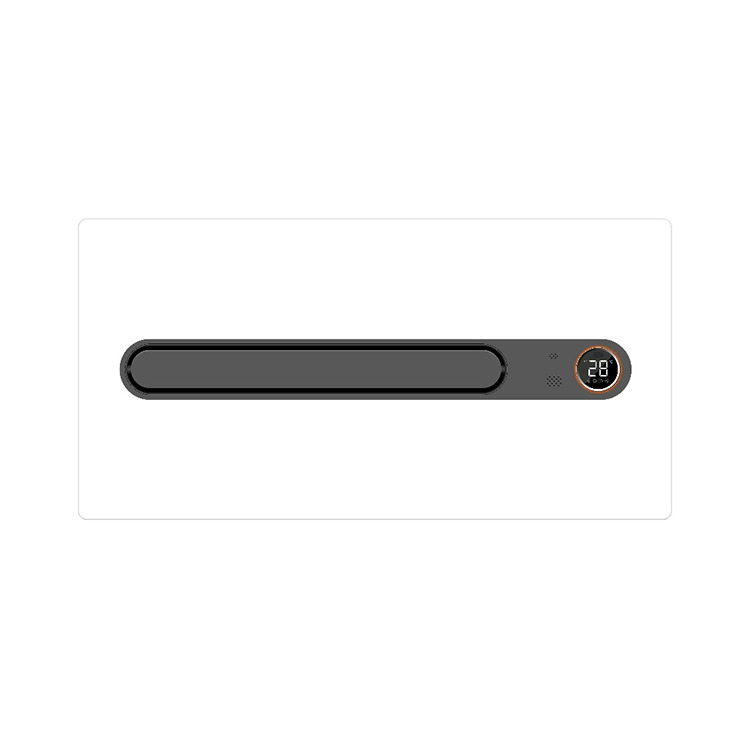
3 in 1 PTC Bathroom Ceiling Heater
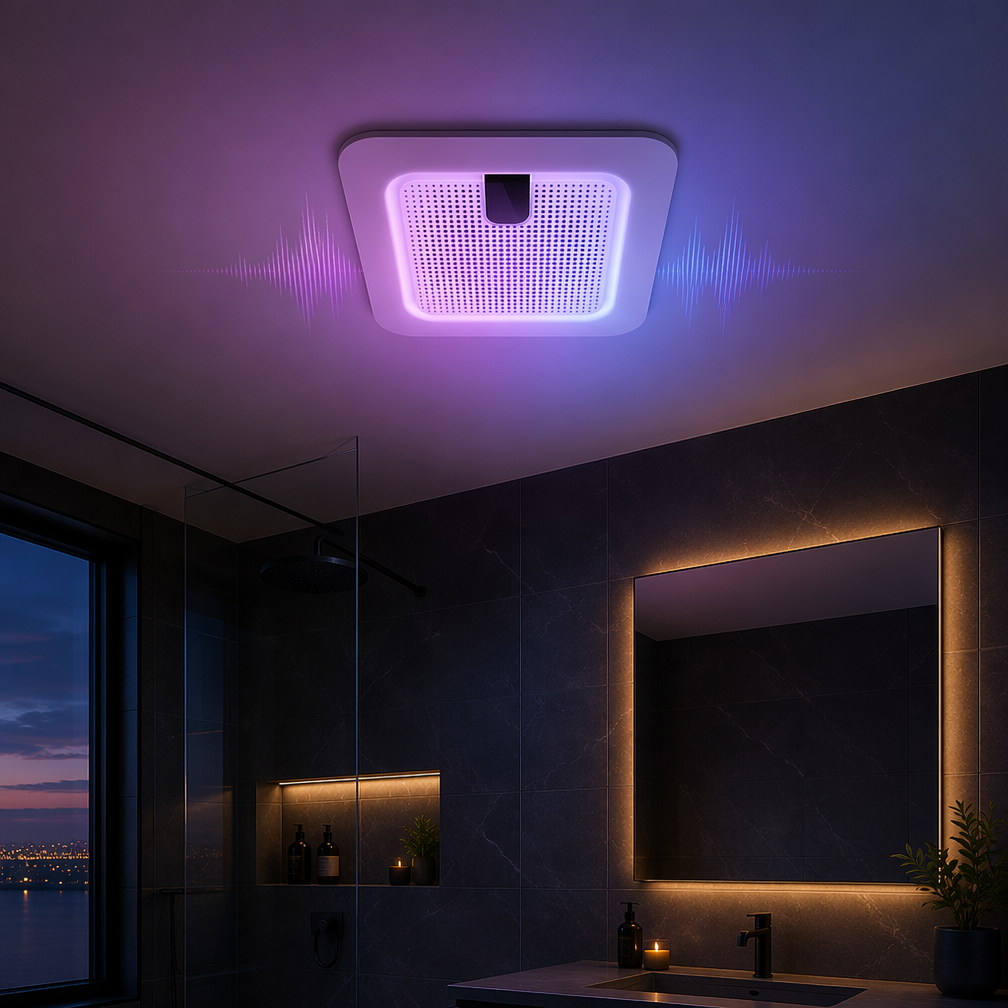
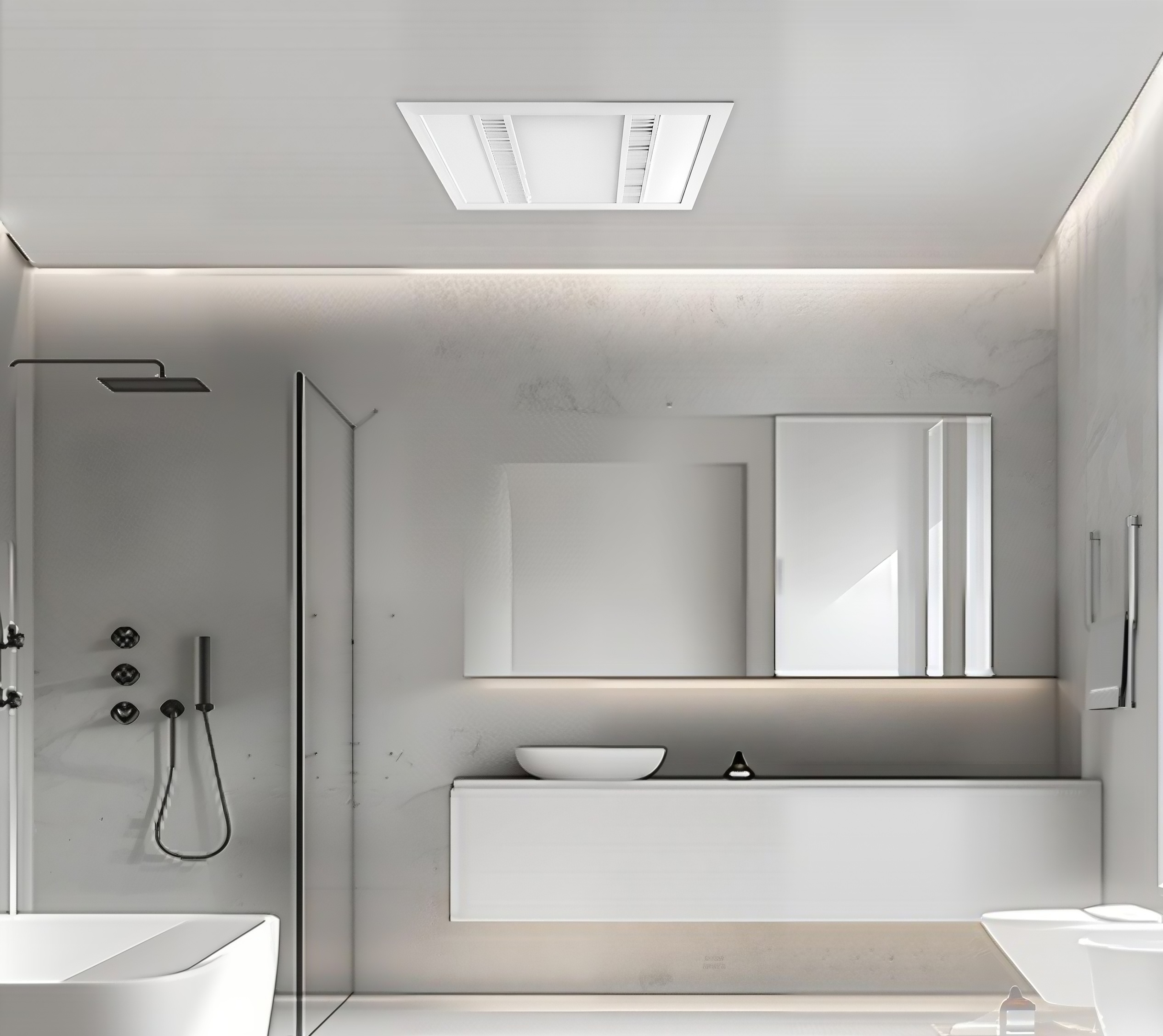
Jiaxing Chenrui Electrical Technology Co., Ltd. strongly launches its3 in 1 PTC Bathroom Ceiling Heater in 2026. As our flagship smart PTC fan heater bathroom light, it features a host of user-friendly and convenient design concepts for greater humanization and intelligence.Our factory has the latest technology and production equipment, which can provide customers all over the world very good service.
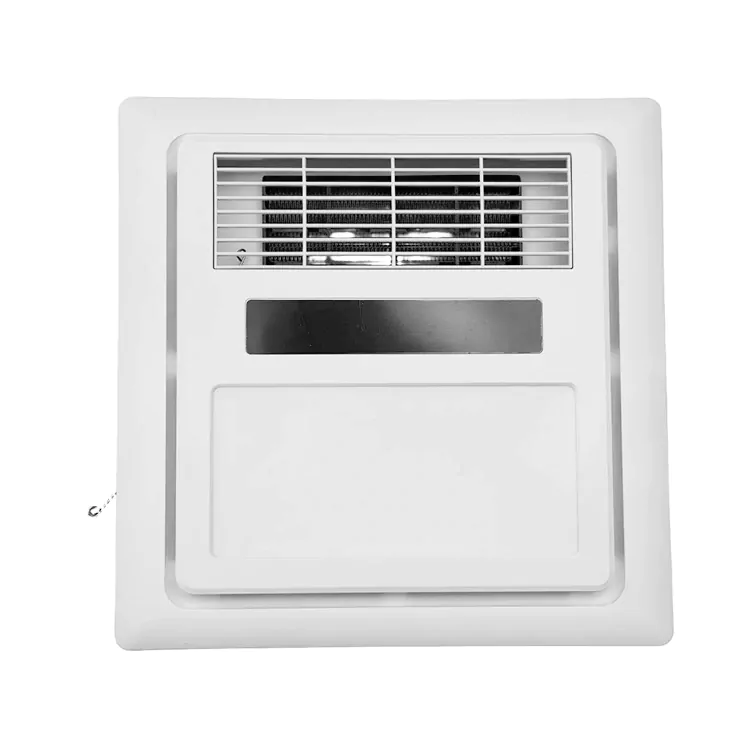
3 in 1 Bathroom PTC Heater
Chenrui Electric has launched the compact mini version of the 3 in 1 Bathroom PTC Heater, specially designed for small bathrooms and old house renovations. With its slim, space
saving profile, it can be installed easily and efficiently, saving both time and labor. Its lightweight, thin body does not reduce ceiling height, making the bathing and washing area feel more open. Even small bathrooms can enjoy efficient wind heating, bidding farewell to bulky traditional bath heaters.
PTC Heater Exhaust Fan With LED Light
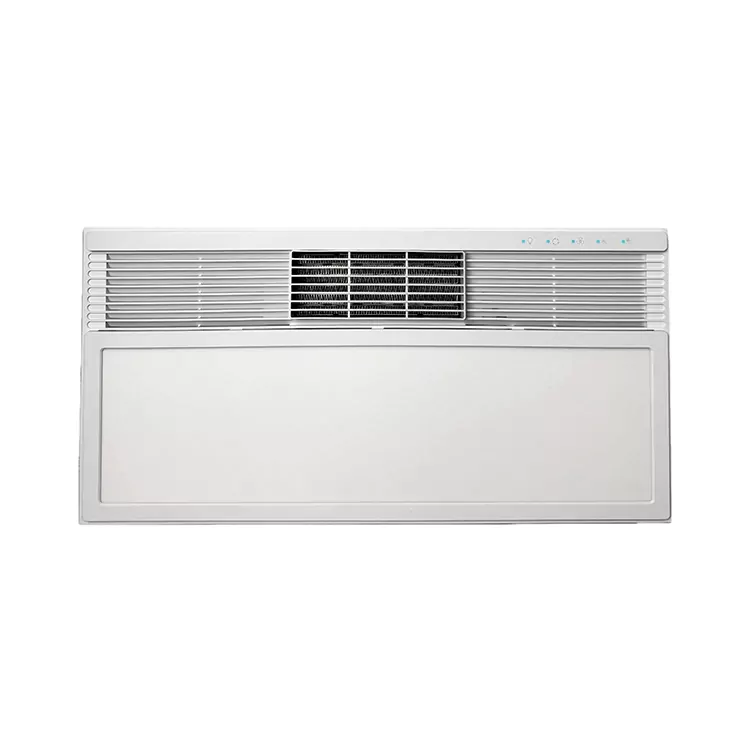
This cost-effective product from Chenrui integrates PTC Heater Exhaust Fan With LED Light. It features instant heating, providing warm air immediately upon startup with fast temperature rise. Warm air convection and air circulation ensure more even heating than radiant heaters. It operates quietly with low noise and no light emission, and supports intelligent constant temperature by automatically reducing power once the set temperature is reached. With cool, warm and hot air modes, it can be used all year round. We have our own factory, and we can provide you with not only the newest products designed in fashionable style but also a price list and quotation.
Bathroom Heater
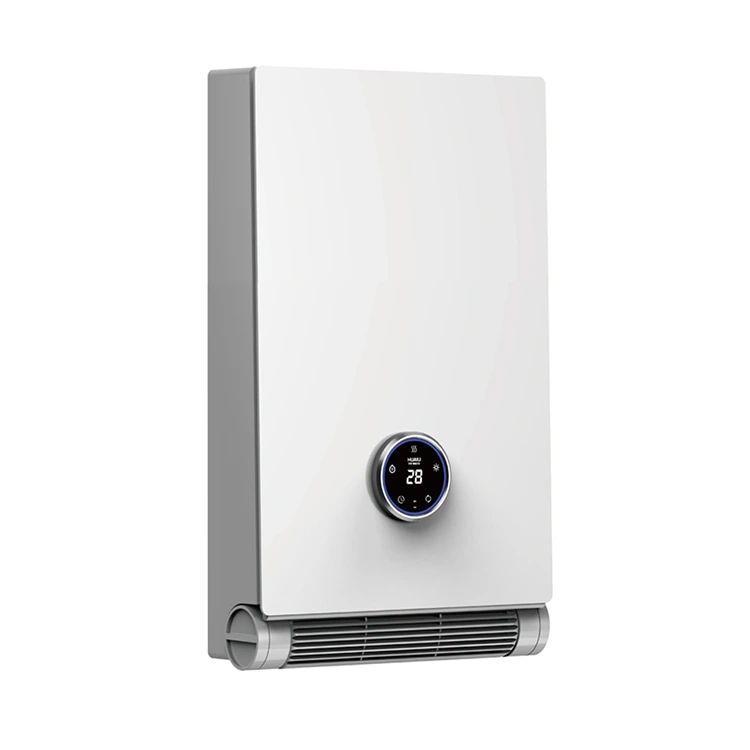
The popular Wall-Mounted Bathroom Heater from Chenrui is a multi-functional heater with an ultra-slim body. It features a ceramic PTC heating module, towel rack, and UV-C LED cold cathode lamp for sterilization. The working time and temperature can be adjusted via a knob according to your needs. We provide professional after-sales service and the right price, looking forward to cooperation.
Bathroom Dryer
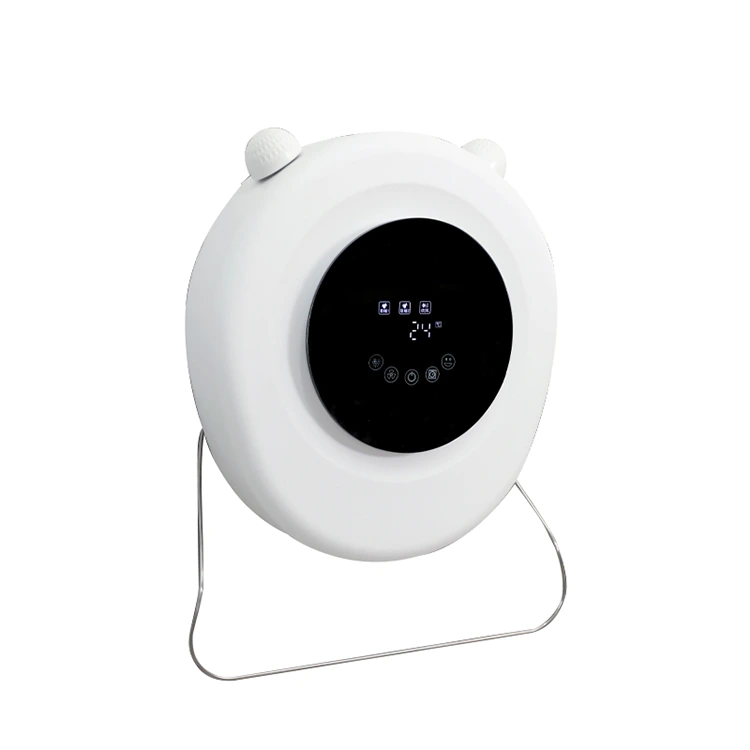
This High-quality wall-mounted bathroom dryer from ChenRui factory features a compact size with powerful functions. It requires no drilling and can be directly wall-mounted without ceiling removal or renovation. It is ready to use right after installation, suitable for rental houses, old houses and new homes alike, saving time and effort without damaging walls.
Discover the newest Bathroom Heaters from Chenrui. Perfect integration of aesthetics and functionality for modern courtyards and workshops. Durable and classy designs are now available for sale—Request a quick quote today!