China Ventilation System Components Manufacturer and Supplier
A properly designed and installed system is critical for maintaining indoor air quality (IAQ), regulating temperature and humidity, removing pollutants, and ensuring occupant comfort and health. At Chenrui, we specialize in engineering and manufacturing high-performance ventilation system components that meet the rigorous demands of both residential and commercial applications. Our products are designed for durability, energy efficiency, and seamless integration, providing reliable solutions for architects, HVAC contractors, and building managers worldwide.
Frequently Asked Questions (FAQ)
What is the main difference between an HRV and an ERV?
An HRV (Heat Recovery Ventilator) transfers only sensible heat (temperature) between the exhaust and supply airstreams. An ERV (Energy Recovery Ventilator) transfers both sensible heat and latent heat (moisture). ERVs are preferable in humid climates as they help control indoor humidity levels by reducing the moisture load in summer and retaining humidity in winter.
How often should ventilation system filters be replaced?
Filter replacement intervals depend on the filter class, indoor/outdoor air quality, and system runtime. As a general rule, standard pleated filters (MERV 8-11) should be checked every 3 months and replaced at least every 6-12 months. Higher efficiency filters may require more frequent changes. Chenrui units are equipped with filter status indicators or pressure gauges to signal when replacement is needed, preventing excessive pressure drop and fan strain.
Why is my ventilation system noisy? What components could be the cause?
Noise can originate from several components. Common sources include an unbalanced or dirty fan causing vibration, ductwork that is undersized or has sharp bends creating turbulent airflow, loose panels or access doors on the AHU/ERV casing, or a lack of vibration isolators between the fan and the duct/unit. Regular maintenance, proper sizing, and ensuring all components like Chenrui's acoustically lined casings are correctly installed mitigate noise.
What does "thermal bypass" mean in the context of an energy recovery core?
Thermal bypass refers to the leakage of air between the supply and exhaust streams around the edges of the heat exchange core, rather than through its intended channels. This significantly reduces efficiency. Chenrui cores are precision-fitted into sealed cassettes with gaskets and robust framing to minimize bypass, ensuring the rated efficiency is achieved in practice.
Can I integrate a Chenrui ventilation unit with my existing HVAC system?
Yes, in most cases. Chenrui ventilation system components, particularly ERVs and HRVs, are designed as standalone units that can be ducted to complement existing heating and cooling systems. Our controls offer various integration options, such as enabling the ventilation system to interlock with the main HVAC fan or providing a call for cooling/heating based on incoming air conditions.
What maintenance do ventilation system components require?
Maintenance is crucial for longevity and efficiency. Key tasks include: quarterly inspection and cleaning of intake and exhaust grilles; regular filter replacement as specified; annual inspection and cleaning of the heat recovery core (following Chenrui's guidelines to avoid damage); checking and cleaning fan wheels and motors; ensuring condensate drains are clear (for cooling coils and some ERV cores); and verifying control system calibration and sensor accuracy.
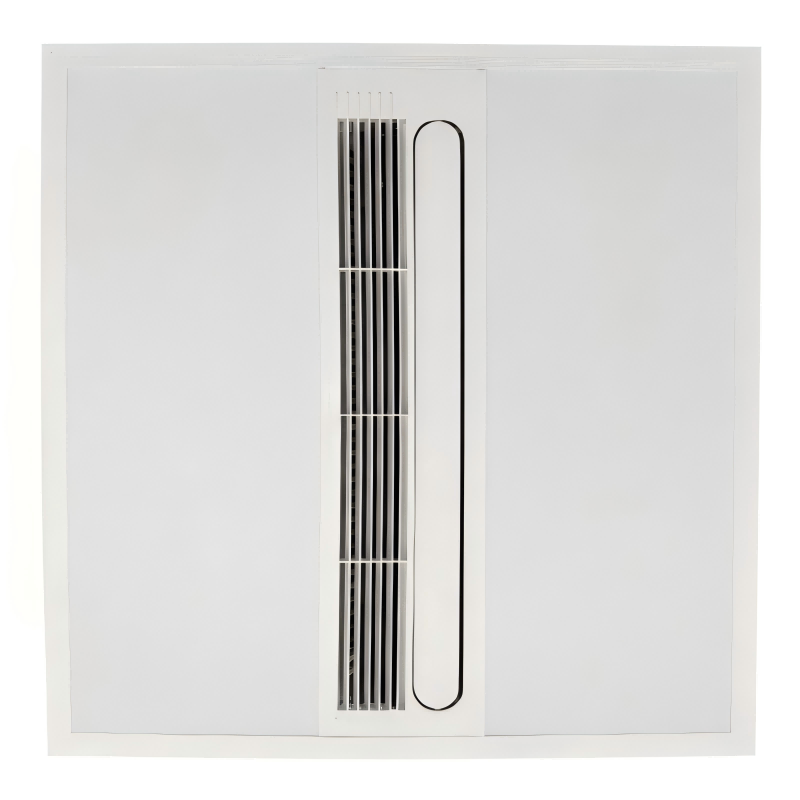
- View as
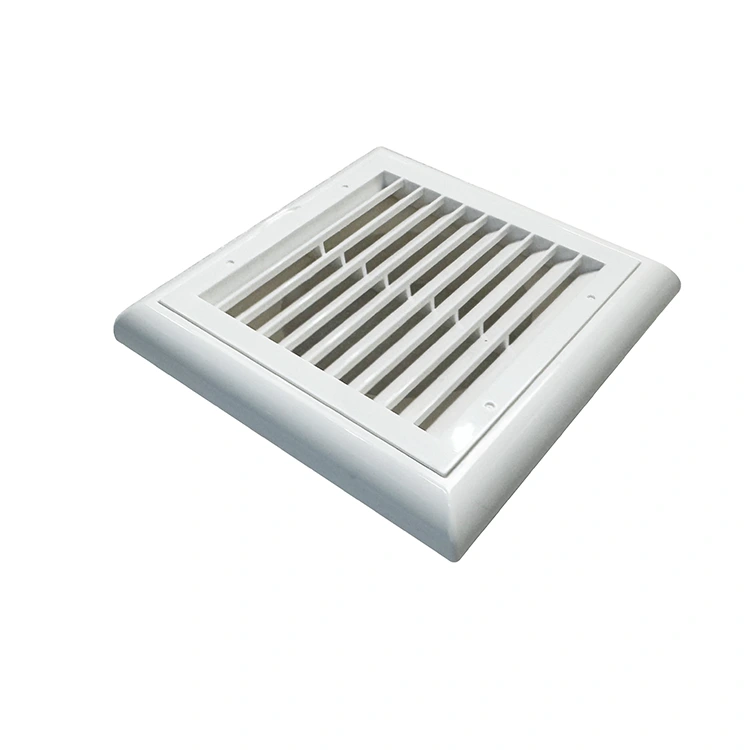
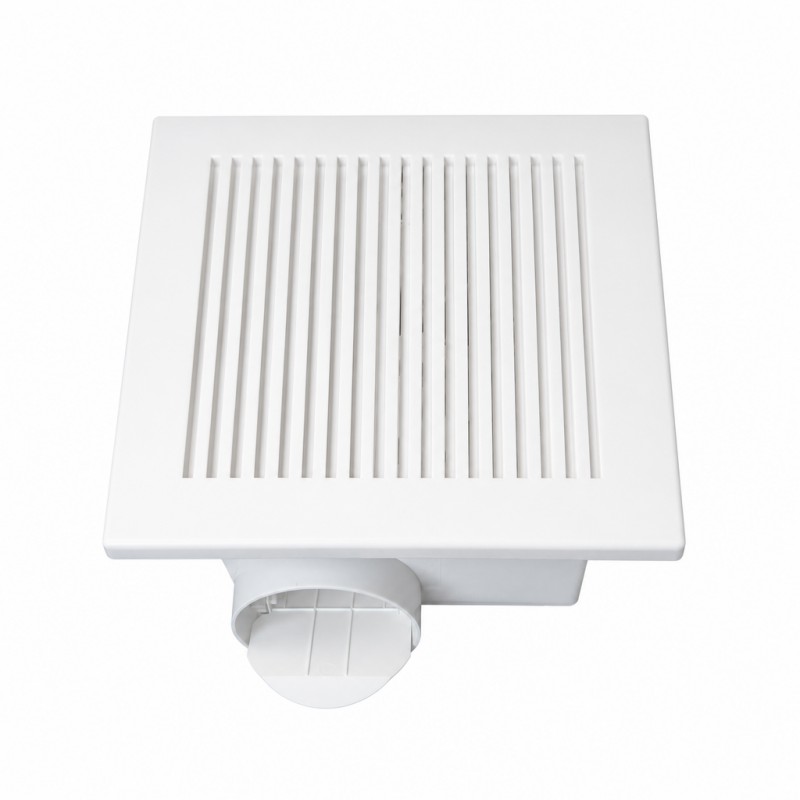
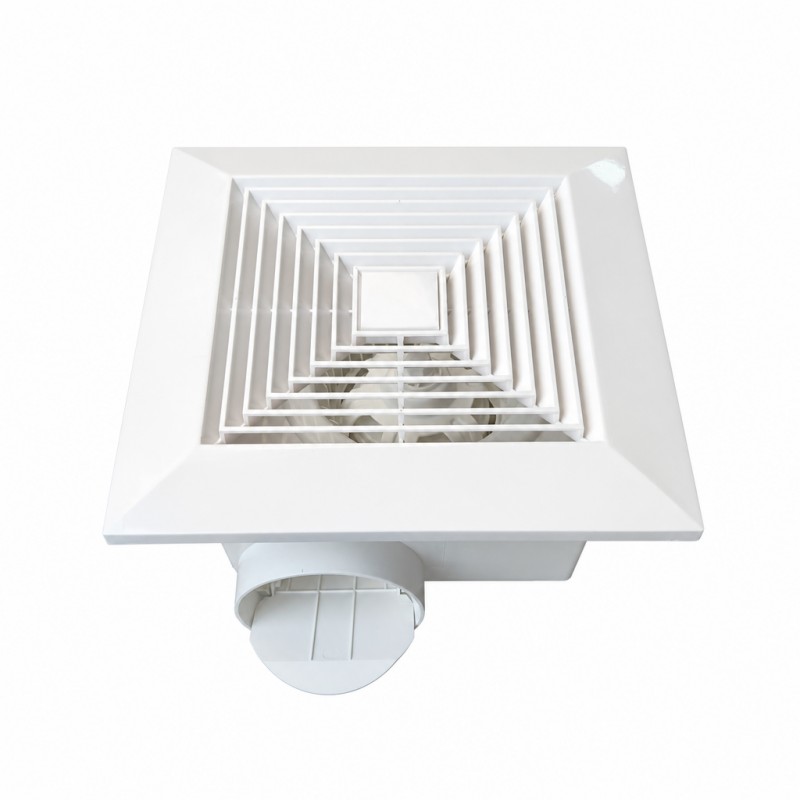
Square Plastic Vent Grille
As a leading manufacturer and supplier of precision-engineered air distribution components, Jiaxing Chenrui Electrical Technology Co., Ltd. delivers Square Plastic Vent Grilles designed for long-term aesthetic and functional stability. Utilizing our in-house high-precision mold development, we produce grilles from premium, anti-static, and UV-resistant polymers that prevent yellowing and brittle fractures in diverse climates.
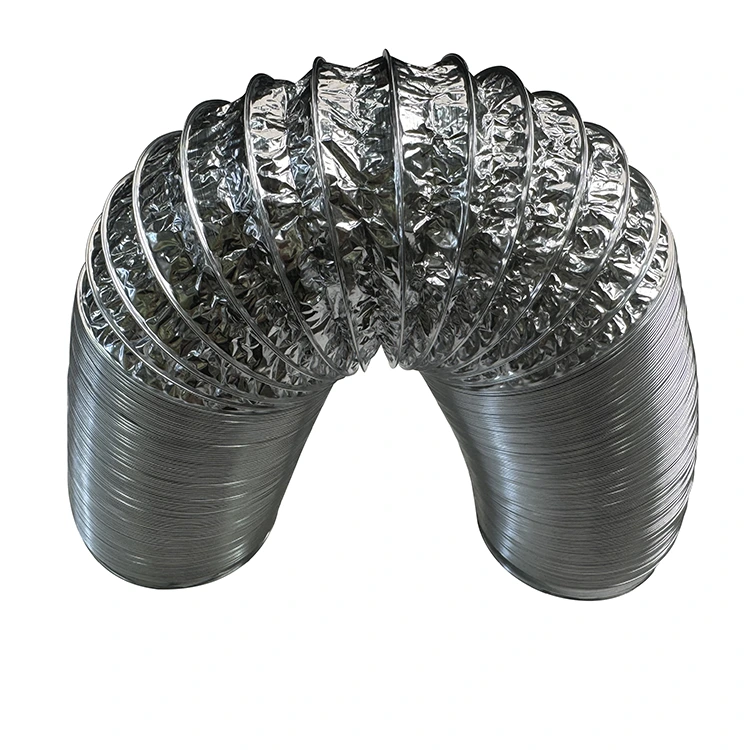
Duct Hose
The Duct Hose from Chenrui is a thickened aluminum telescopic pipe, which is high-temperature resistant and flame-retardant. It is suitable for range hoods, fresh air systems, and air conditioning ventilation hoses. It is supported by thickened steel wires, can be bent 360° freely, does not leak air or retract, and its length can be customized. We offer a stable supply and can tailor details to your equipment's specifications. For pricing details, please contact us directly.
Discover the newest Ventilation System Components from Chenrui. Perfect integration of aesthetics and functionality for modern courtyards and workshops. Durable and classy designs are now available for sale—Request a quick quote today!