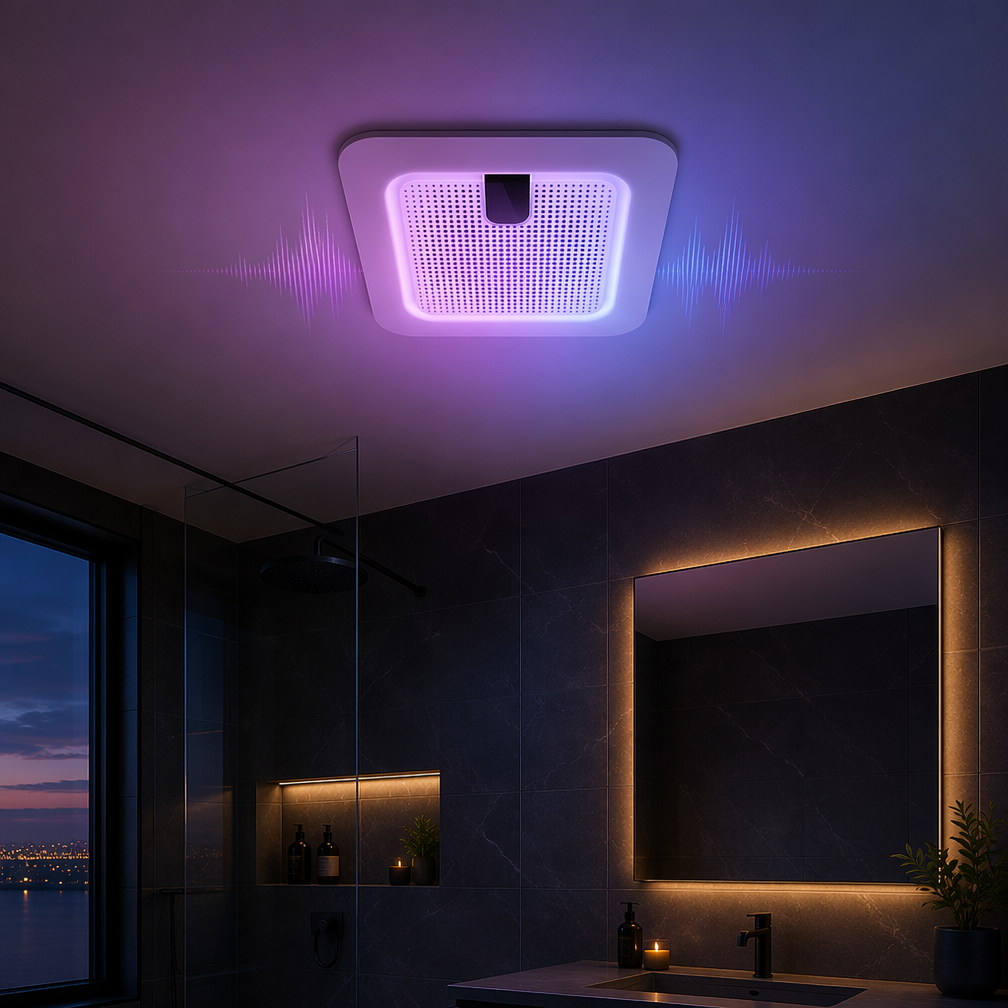
How Are Bathroom Heaters Changing Modern Indoor Comfort?
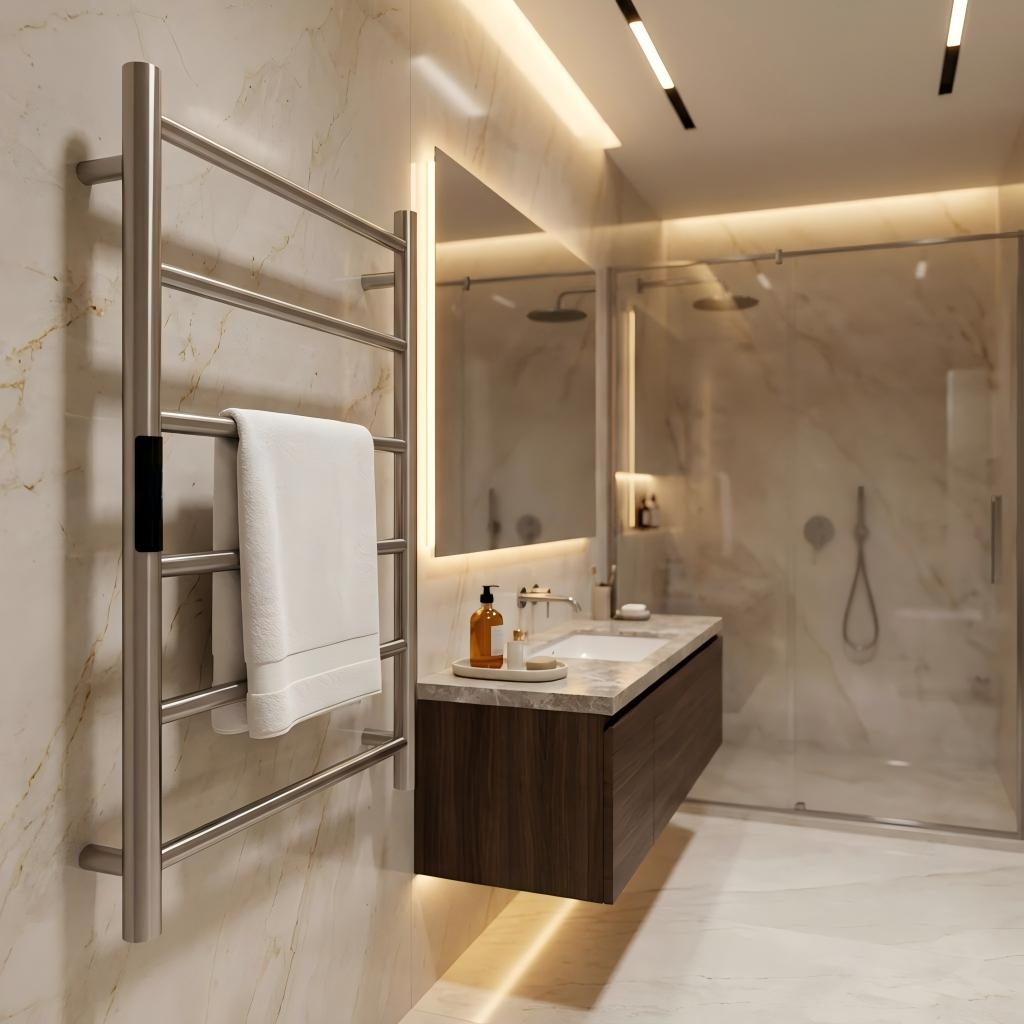
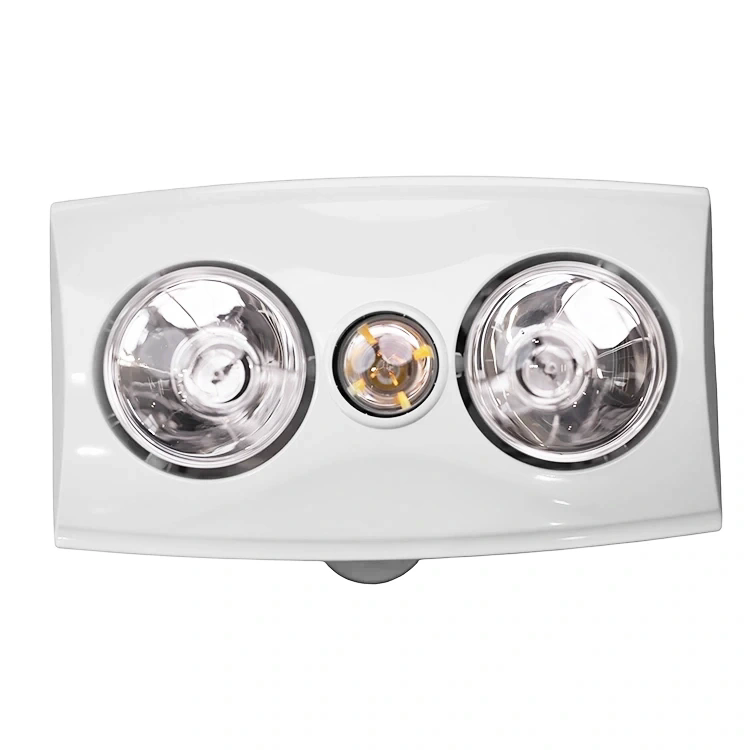
As expectations for indoor comfort continue to rise, heating technology is becoming more focused on localized temperature management, energy efficiency, safety, and convenient operation. Bathroom Heaters are attracting greater attention because bathrooms require a comfortable thermal environment, particularly during colder weather and transitional seasons. Instead of relying only on whole-building heating, targeted equipment can provide warmth where it is needed while supporting flexible temperature management.
The development of modern electrical appliances is also changing the role of heating equipment in residential, hospitality, commercial, and other indoor environments. Manufacturers are combining heating performance with improved electrical protection, practical installation concepts, intelligent controls, and durable components. These developments are helping the heating sector respond to increasingly diverse application requirements.
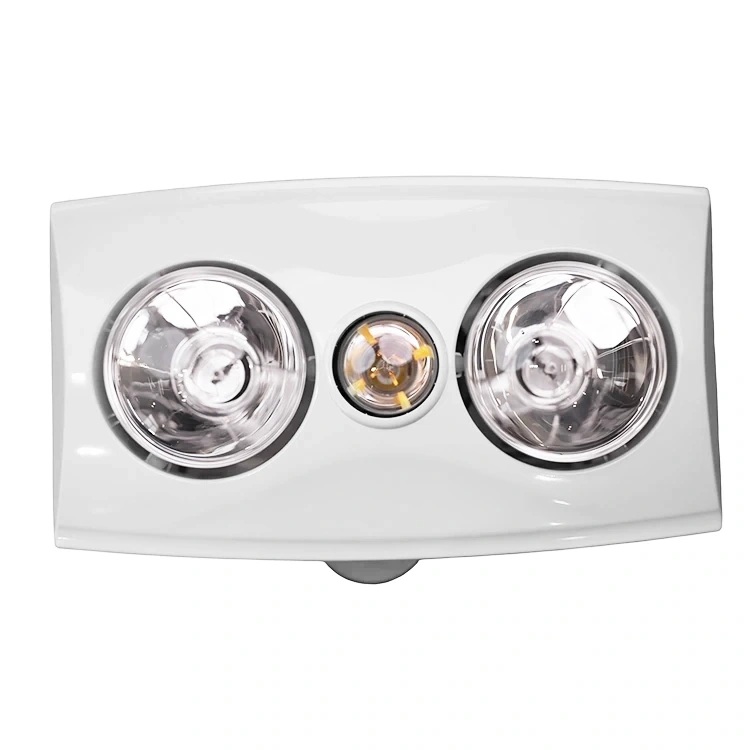
Why Localized Heating Is Becoming More Important
Whole-space heating is not always the most practical approach for every room. A bathroom, utility area, changing room, or other compact space may need additional warmth even when the rest of a building already has a central heating system. Localized heating provides a more direct way to improve thermal comfort without requiring the entire property to operate at a higher temperature.
Comfort in Temperature-Sensitive Areas
Bathrooms have characteristics that distinguish them from many other indoor areas. Users may experience a noticeable change in perceived temperature when moving from a warm living space into a bathroom. Cold floors, walls, ventilation airflow, and moisture can further influence thermal comfort. A dedicated heating solution can help create a more pleasant environment during these short but important periods of daily use.
This demand is not limited to private homes. Hotels, serviced apartments, healthcare facilities, gyms, spas, and other commercial environments also place importance on maintaining comfortable bathroom conditions. In these applications, heating equipment needs to support frequent operation while maintaining dependable performance and straightforward control.
Targeted Heating and Efficient Energy Use
Energy efficiency has become an important consideration throughout the electrical appliance industry. Users are increasingly looking for equipment that delivers useful heating performance without unnecessary energy consumption. Targeted heating can contribute to this approach by allowing warmth to be concentrated in the occupied area instead of continuously increasing the temperature of an entire building.
Efficient operation depends on more than the heating element itself. Product structure, thermal transfer, airflow, control accuracy, insulation, electrical design, and operating habits can all influence overall performance. Professional manufacturers therefore evaluate heating products as integrated systems rather than focusing on a single component.
| Application Environment | Primary Requirement | Preferred Characteristics |
|---|---|---|
| Residential Bathrooms | Daily thermal comfort | Convenient control and dependable operation |
| Hotels and Hospitality Facilities | Consistent guest experience | Stable performance and practical installation |
| Commercial Buildings | Flexible indoor climate management | Efficient operation and adaptable design |
| Wellness and Recreation Areas | Comfort in changing conditions | Reliable heating and user-friendly operation |
Technology Trends Influencing Modern Heating Equipment
The heating appliance sector is moving toward a combination of efficient thermal performance, intelligent control, improved protection, and stronger product adaptability. This transition is closely connected with broader developments in smart buildings and energy-conscious facility management. Heating equipment is no longer evaluated only by how quickly it produces warmth. Its control method, operating stability, installation flexibility, service life, and compatibility with modern electrical systems are becoming equally relevant.
Improved Heating Element Design
The heating element remains one of the most important components in an electric heating appliance. Modern engineering focuses on achieving stable heat generation while maintaining appropriate surface temperatures and reliable electrical characteristics. Material selection and component construction can affect thermal response, durability, resistance to repeated heating cycles, and overall operating consistency.
Well-designed heating elements can also support a more balanced distribution of warmth. Uneven heat distribution may create localized hot areas while leaving other sections of a room uncomfortable. Engineers therefore consider heat transfer, air movement, housing design, and installation position together when developing effective heating products.
Intelligent Control and User Convenience
Smart control is becoming increasingly common across residential electrical appliances. Heating equipment can benefit from more precise temperature adjustment, responsive switching, scheduled operation, and other control functions. These capabilities give users greater flexibility while helping prevent unnecessary operation when heating is not required.
For commercial facilities, intelligent control can also support operational management. Property managers may need different heating conditions in different areas depending on occupancy, opening hours, seasonal changes, or facility requirements. Flexible control makes it easier to coordinate heating operation with the actual use of a building.
As smart home and smart building technologies continue to develop, heating appliances are also expected to become easier to integrate into broader environmental control systems. Connectivity and automation can help create a more coordinated indoor climate strategy rather than treating each appliance as an isolated device.
Safety Remains a Core Engineering Requirement
Electrical safety is especially important for heating appliances because heating elements operate at elevated temperatures. A professional design needs to consider insulation, wiring, temperature management, protective components, enclosure construction, and operational stability. Products intended for bathroom environments require additional attention to installation conditions and moisture-related considerations.
Safe product development begins during the engineering stage rather than being added at the end of manufacturing. Components should be selected according to the intended operating environment, while electrical and mechanical structures should be evaluated for long-term reliability. Quality inspection throughout production is equally important because consistent assembly contributes directly to product safety and performance.
Design Considerations for Different Indoor Environments
Heating requirements vary considerably between buildings. A compact residential bathroom may prioritize simple controls and discreet installation, while a hotel or commercial facility may place greater emphasis on durability, maintenance convenience, and consistent operation. Understanding these differences allows manufacturers to create more practical product configurations.
Residential Applications
Residential users generally value convenience, comfortable operation, compact design, and easy maintenance. A heating appliance should fit naturally into the room without creating unnecessary complexity. Clear controls can make daily use more intuitive, while a suitable installation design can help preserve available wall or ceiling space.
Homeowners may also consider how heating equipment works alongside existing ventilation and climate-control systems. A well-planned combination can improve overall comfort without creating conflicting airflow patterns. In modern homes, appearance can also influence product selection, making compact and unobtrusive designs increasingly attractive.
Hospitality and Public Facilities
Hotels and other hospitality facilities have different priorities because heating equipment may experience frequent operation and serve many different users. Reliability, straightforward controls, easy servicing, and consistent performance are therefore important considerations. Equipment should contribute to a comfortable guest experience while fitting into the facility's broader electrical and environmental management strategy.
Public facilities such as gyms, wellness centers, and recreational venues may also require heating solutions for bathrooms and changing areas. These environments can experience changing occupancy and humidity conditions, making dependable electrical design and appropriate installation particularly important.
Commercial and Professional Spaces
Commercial buildings often use multiple environmental systems simultaneously. Heating equipment may need to complement existing air-conditioning, ventilation, and building management systems. In these situations, engineers typically consider installation location, airflow, operating schedules, maintenance access, and electrical compatibility before selecting an appropriate solution.
For renovation projects, flexibility can be particularly valuable. Existing buildings may have limitations involving wiring routes, mounting positions, room dimensions, or ventilation arrangements. Heating products that can accommodate different project conditions provide greater practical value to engineering contractors and facility operators.
How Product Quality Affects Long-Term Performance
Heating equipment operates through repeated electrical and thermal cycles, so long-term reliability depends on the quality of materials, components, assembly processes, and inspection procedures. A product that performs well during initial operation must also maintain stable characteristics after continued use.
Material Selection and Component Reliability
Appropriate material selection supports both mechanical durability and thermal stability. Housing materials should be suitable for the intended operating environment, while internal components need to withstand repeated temperature changes and normal electrical loads. Connectors, wiring, insulation materials, switches, heating elements, and protective components all contribute to the final product's reliability.
Manufacturers with strong engineering capabilities can evaluate these components as part of a complete system. This approach helps identify potential interactions between electrical, mechanical, and thermal structures before products enter the market.
Manufacturing Consistency
Advanced product design must be supported by consistent manufacturing. Production processes should be controlled so that critical components are installed correctly and product performance remains stable between batches. Inspection procedures can cover appearance, electrical characteristics, heating behavior, assembly quality, and other relevant requirements.
Quality control is particularly important for products intended for international distribution. Different markets may have their own technical requirements, installation practices, and electrical standards. Manufacturers serving global customers need to understand these differences and develop products and production processes that support reliable international applications.
Installation and Application Planning
Product performance is closely connected with installation quality. Even a well-engineered heating appliance may not deliver its intended results if it is installed in an unsuitable position or operated outside its design conditions. Proper planning should therefore begin before installation and include the room structure, ventilation conditions, electrical supply, mounting location, and expected usage pattern.
Choosing an Appropriate Installation Location
The installation position can influence heat distribution, airflow, user comfort, and maintenance accessibility. Engineers and installers should consider the relationship between the heating appliance and other fixtures, ventilation outlets, doors, walls, and available electrical connections.
In compact rooms, available space may be limited. A practical installation plan can help maintain clearances and ensure that the appliance operates without unnecessary obstruction. Maintenance access should also be considered so that inspection and servicing can be completed efficiently when required.
Working With Ventilation Systems
Heating and ventilation perform different but complementary functions. Heating equipment is intended to provide warmth, while ventilation systems manage air movement and indoor air quality. In bathrooms and other moisture-sensitive areas, both functions can influence perceived comfort.
A well-planned system considers airflow direction and equipment positioning together. Excessive airflow across a heated area may reduce perceived warmth, while insufficient ventilation can affect indoor environmental conditions. Coordinated system design therefore provides a stronger foundation for comfortable and efficient operation.
What Industry Development Means for Manufacturers
The changing heating market is encouraging manufacturers to invest more heavily in research and development. Customers across different regions increasingly expect electrical products to combine dependable performance with energy-conscious operation and modern controls. Manufacturers must therefore balance engineering innovation with practical production capabilities.
Continuous Research and Product Innovation
Research and development can improve heating efficiency, thermal distribution, electrical protection, control functions, and product adaptability. Manufacturers with dedicated technical teams are better positioned to respond to changing application requirements and develop products for both established and emerging markets.
Innovation is not limited to adding electronic functions. Improving internal structures, optimizing airflow, refining thermal management, selecting better materials, and simplifying installation can all create meaningful improvements. Practical innovation focuses on solving real application challenges while maintaining product reliability.
Responding to Global Energy Priorities
Energy efficiency is becoming an increasingly important factor in building design and electrical appliance development. Governments, businesses, and consumers are paying greater attention to operating costs and environmental impact. This creates opportunities for manufacturers that can provide efficient heating technologies without compromising usability or reliability.
The same trend is also encouraging greater cooperation between appliance manufacturers, engineering contractors, distributors, and brand partners. Collaboration can help manufacturers understand regional market needs, installation practices, technical expectations, and application scenarios more effectively.
Where the Market Is Heading
The future of indoor heating is likely to involve stronger integration between thermal comfort, energy management, intelligent controls, and building systems. Instead of operating independently, heating appliances may increasingly become part of coordinated indoor environmental solutions.
Consumers are also becoming more aware of product quality and total operating performance. Simple heating output is no longer the only consideration. Reliability, safety, control flexibility, maintenance requirements, installation suitability, and energy efficiency all contribute to the perceived value of an electrical appliance.
More Flexible Product Solutions
Different buildings require different heating approaches. Manufacturers that offer flexible product configurations can better serve residential projects, hospitality facilities, commercial buildings, and specialized indoor environments. Adaptability can involve installation methods, control options, housing designs, heating performance, or integration with other electrical systems.
This flexibility is especially useful for engineering projects where room layouts and environmental requirements can vary significantly. A manufacturer capable of providing technical support alongside products can help project teams select solutions according to actual application conditions.
A Stronger Focus on Sustainable Comfort
Energy-conscious design does not mean reducing comfort. The goal is to achieve an effective balance between useful heating performance and responsible energy consumption. Modern product development is increasingly focused on this balance, using improved components and control technologies to deliver warmth when and where it is needed.
As the global electrical appliance industry continues to evolve, manufacturers that combine technical expertise, quality manufacturing, intelligent design, and market responsiveness will be better prepared for long-term development. The shift toward efficient and comfortable indoor environments is creating new opportunities across residential and commercial applications.
Chenrui’s Approach to Modern Electrical Manufacturing
Jiaxing Chenrui Electrical Technology Co., Ltd. is an electrical appliance manufacturer focused on research and development, production, and international export. As a national high-tech enterprise, Chenrui develops indoor and outdoor heating equipment together with industrial and commercial ventilation fans, serving a wide range of environmental comfort requirements.
The company's product development philosophy is centered on efficiency, durability, intelligent operation, and practical application. Its solutions are designed for diverse environments, from residential and hospitality spaces that require comfortable warmth to workshops, warehouses, courtyards, and restaurant terraces that need reliable environmental management.
Chenrui continues to invest in technological innovation in response to the global demand for energy-efficient and intelligent electrical products. By combining manufacturing experience with ongoing product development, the company aims to provide dependable solutions for international markets and support partners with products suited to changing application requirements.
With a focus on heating technology, ventilation equipment, quality manufacturing, and international cooperation, Jiaxing Chenrui Electrical Technology Co., Ltd. is positioned to participate in the continued development of efficient indoor and outdoor environmental solutions. The company welcomes cooperation with global distributors, engineering contractors, and brand partners seeking reliable electrical products and long-term manufacturing collaboration.
Related News
- Can a Register Booster Fan Improve Comfort in Every Room?
- Can Exhaust Fans with Moisture Sensors Improve Air Quality?
- How Does Proper Bathroom Heater Installation Improve Safety?
- Could Bathroom Wellness Design Raise Comfort Standards?
- Infrared vs. Convection Heaters: Which Outdoor Heating Technology Is Right for Your Space?
- How Can a Smart Exhaust Fan Support Healthier Indoor Spaces?
Leave me a message