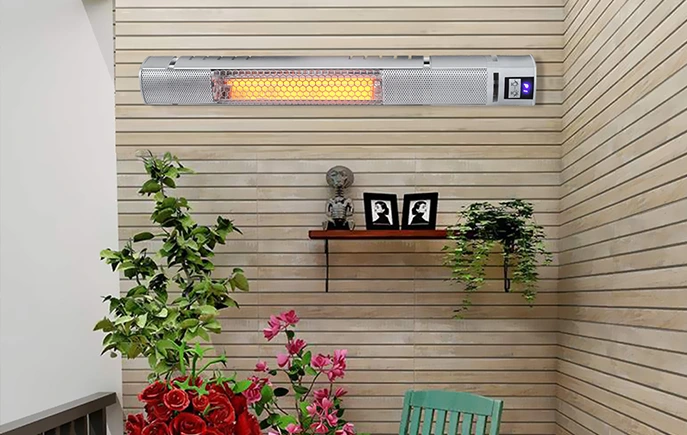
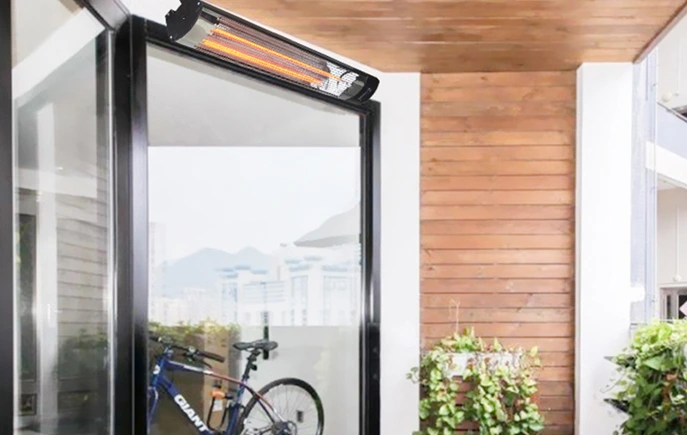
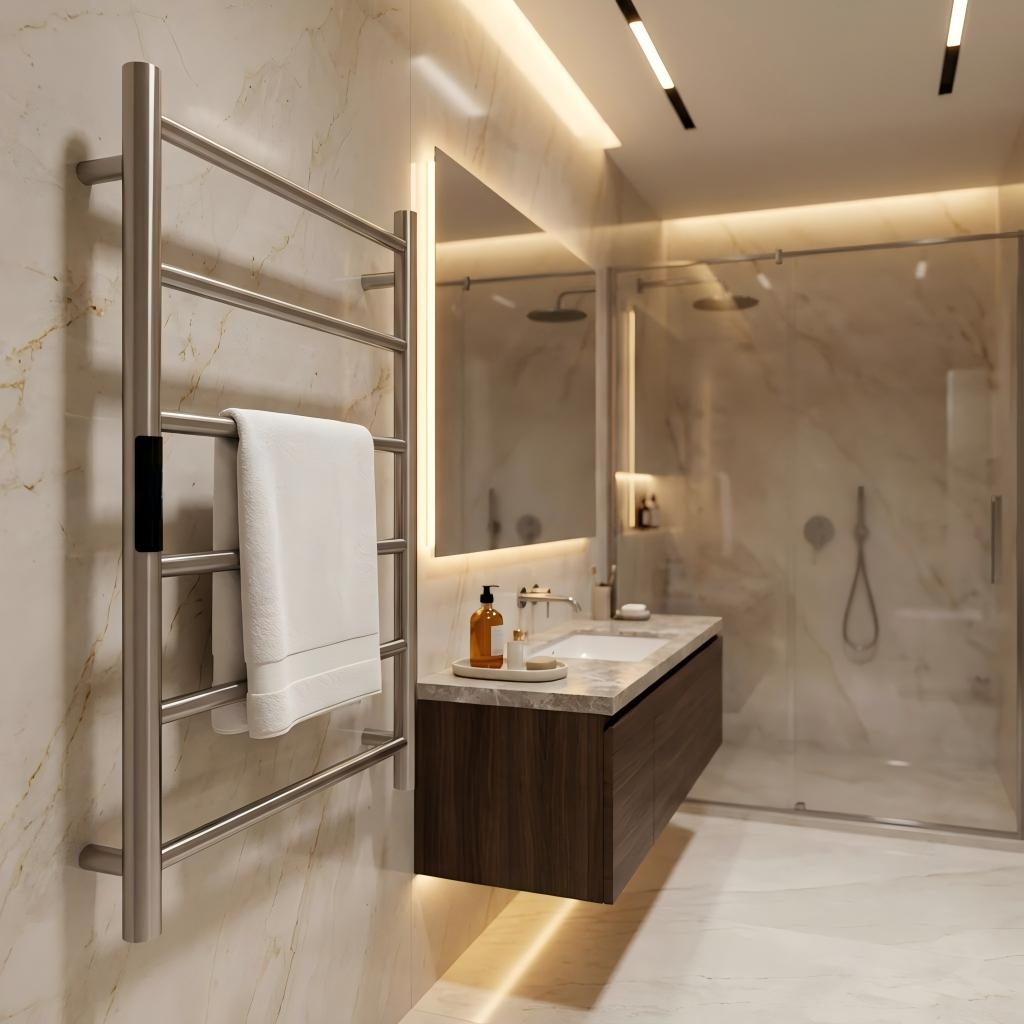
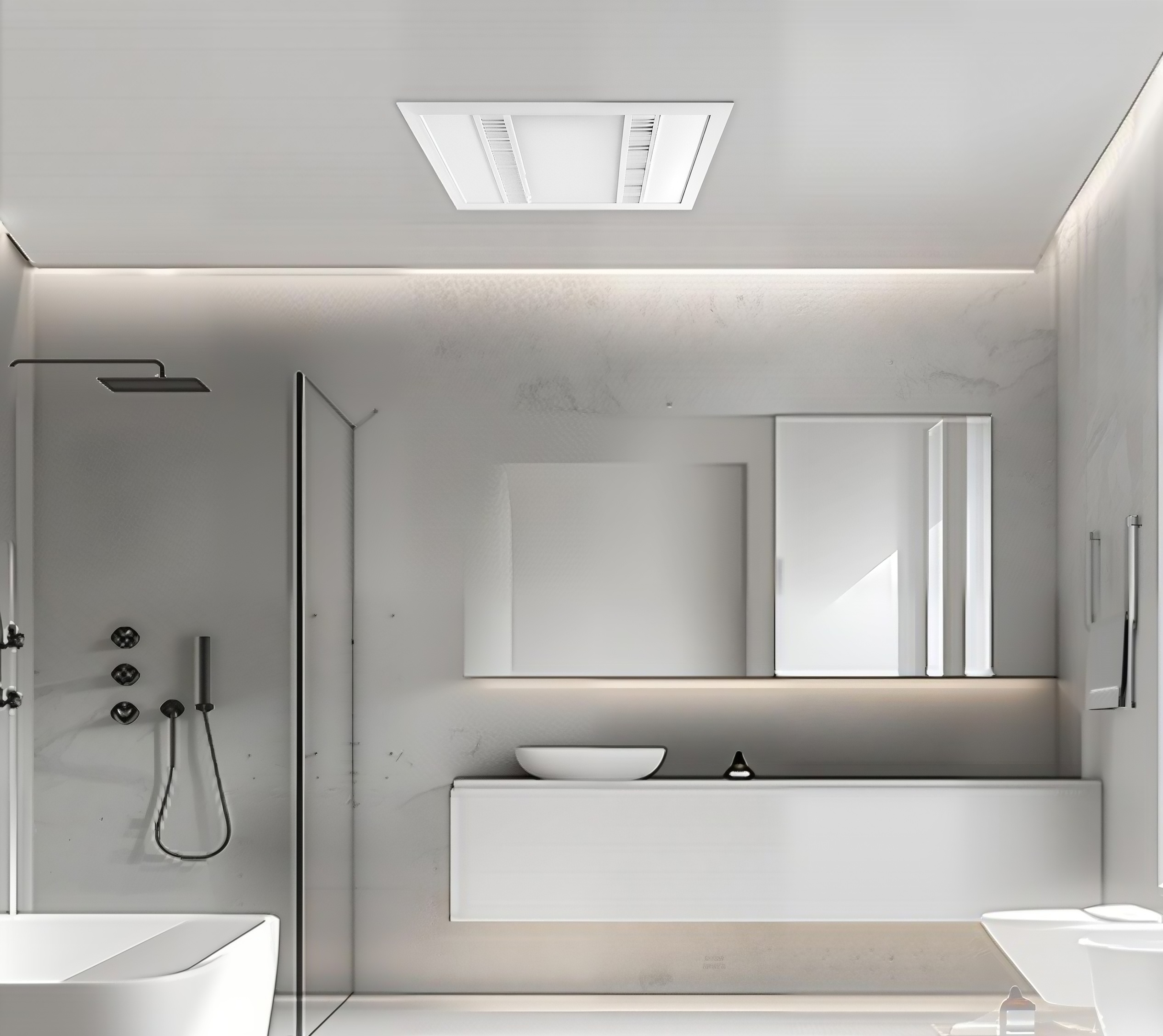
Comfort is becoming a more deliberate part of bathroom planning across hotels, serviced apartments, wellness facilities, residential developments, and premium renovation projects. Instead of treating the bathroom as a purely functional room, architects, developers, and procurement teams are considering how warmth, organization, finish quality, and ease of use shape the daily experience. This shift toward bathroom wellness design is creating new opportunities for practical equipment that can add value without overwhelming the available space.
Why Small Comfort Details Matter in Commercial Spaces
Guests and residents often judge a property through details they can immediately see and feel. A well-planned bathroom can make a hotel stay feel more welcoming, help a serviced apartment appear more thoughtfully equipped, and give a residential project a stronger sense of finish. In this context, towel-warming equipment can serve a practical purpose while supporting a more refined atmosphere. The objective is not to add technology for its own sake, but to select products that fit the room layout, complement the interior style, and remain straightforward for daily operation.
For project buyers, the right solution should also be considered as part of the overall specification. Mounting position, available power, surface finish, control method, maintenance access, and expected usage can all influence the result. When these points are reviewed early, bathroom wellness design becomes easier to translate from a visual concept into a dependable user experience.
How Product Flexibility Supports Different Applications
Bathrooms vary widely between a compact apartment, a boutique hotel, a spa, a gym, and a multi-unit residential project. Buyers may need to compare wall-mounted and freestanding formats, different rail layouts, control options, materials, and finish choices. A flexible product range can help distributors and contractors respond to these different requirements without losing consistency across a project. It can also make it easier for brands to organize their online catalog around applications instead of presenting a long list of disconnected specifications.
Energy awareness and compliance preparation are equally important. Professional buyers should request clear information about rated power, electrical requirements, operating controls, installation guidance, materials, and applicable market documentation. Marketing language should remain aligned with verified specifications. Claims about energy savings, safety, automation, or performance should only be used when supported by technical records for the relevant model and destination market.
What Should Buyers Confirm Before Ordering?
Before placing a commercial order, procurement teams should confirm the room type, quantity, dimensions, voltage, mounting conditions, packaging requirements, lead time, warranty process, and after-sales support. They should also check whether the proposed finish and control method match the design brief. For projects involving multiple properties or a large number of rooms, stable supply and consistent quality may be as important as the initial unit price.
Suppliers can reduce uncertainty by providing structured product information, installation instructions, realistic production timelines, and responsive technical communication. This approach gives architects and contractors a clearer basis for comparison, while helping distributors explain the product category responsibly. It also supports stronger long-term content because useful guidance is more durable than unsupported promotional claims.
We use cookies to offer you a better browsing experience, analyze site traffic and personalize content. By using this site, you agree to our use of cookies.Privacy Policy