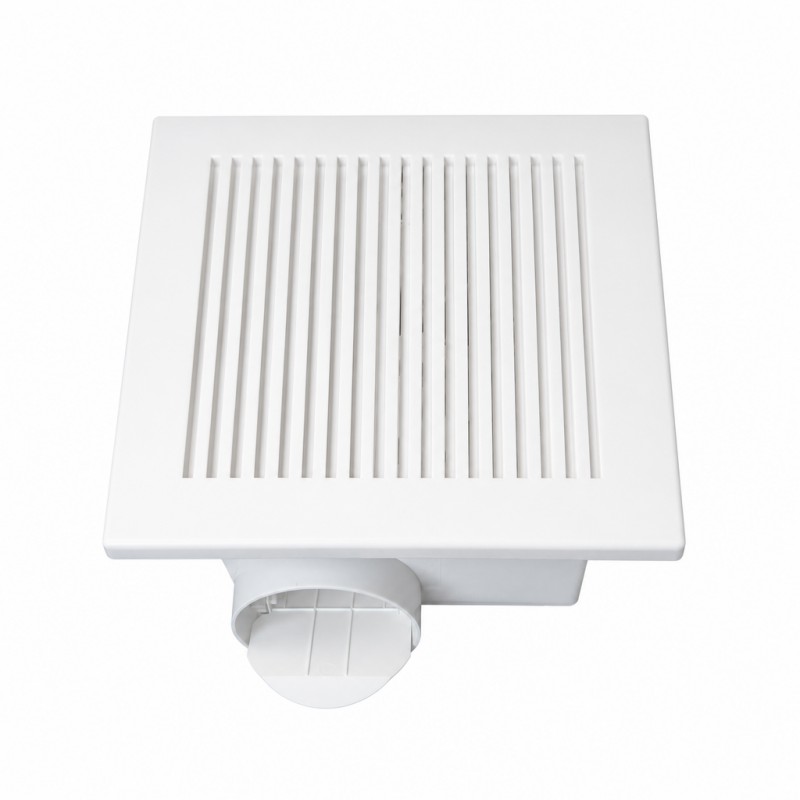
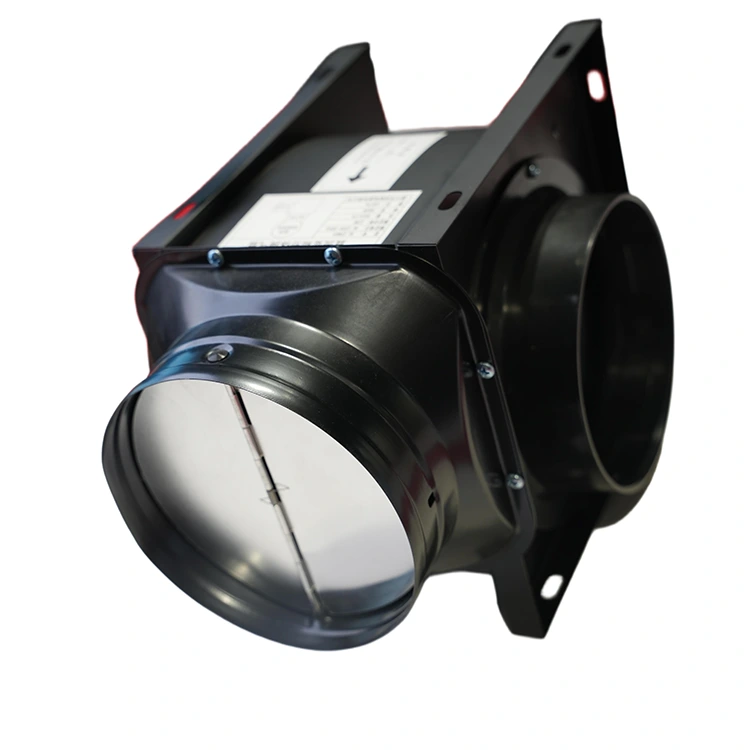
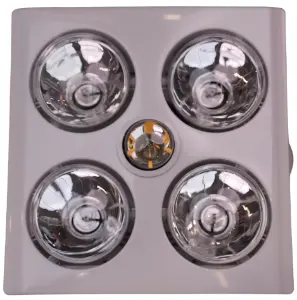
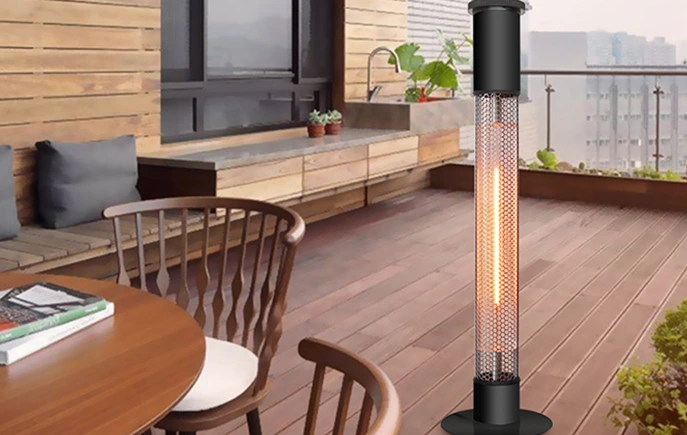
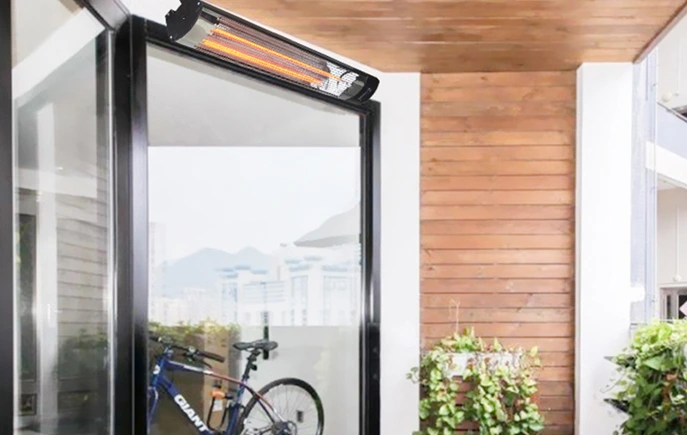
As buildings become more tightly sealed and indoor spaces serve more functions, ventilation is moving from a background utility to a visible part of comfort and wellness planning. A new generation of connected ventilation equipment is helping property owners, installers, and facility managers think beyond simple air extraction. By combining responsive controls, quieter operation, and practical installation options, a smart exhaust fan can support a more consistent indoor environment without demanding constant manual adjustment.
Why Responsive Ventilation Matters
Bathrooms, kitchens, utility rooms, and other moisture-prone areas can experience changing air conditions throughout the day. Conventional fans often operate only when someone remembers to switch them on, or they run at one fixed speed regardless of the actual need. Responsive ventilation offers a more balanced approach: airflow can be adjusted according to room use, humidity, timing, or a user-selected operating mode. This helps reduce unnecessary runtime while keeping air movement available when the space requires it.
For residential projects, this approach can make everyday routines more comfortable. For hospitality, rental, and light-commercial properties, it can also simplify standard operating procedures for maintenance teams. The goal is not to make ventilation complicated; it is to make the system easier to control, easier to understand, and better aligned with how a room is actually used.
From Product Function to Building Experience
The value of connected ventilation is not limited to the motor or the fan blade. Noise level, appearance, user controls, cleaning access, and compatibility with the wider room design all influence whether a ventilation product performs well in the real world. A carefully specified smart exhaust fan can therefore contribute to several practical priorities at once: managing excess moisture, supporting fresher-feeling spaces, and giving occupants a clearer way to operate the equipment.
Installers and project designers should also consider the full application before selecting a model. Important questions include the room size, duct route, available power, mounting position, expected usage pattern, and the preferred control method. Reviewing these factors early can reduce rework and help ensure that the final installation delivers the intended airflow and user experience.
What Should Buyers Check Before Specification?
Product selection should begin with verified performance information rather than appearance alone. Buyers may wish to review airflow capacity, operating sound, control options, power requirements, materials, maintenance access, and installation guidance. If the product is intended for a regulated market, documentation for applicable electrical, safety, or energy requirements should also be requested before purchase. These checks are especially important for distributors and OEM partners that need consistent information across multiple projects.
It is equally important to match the product message to the actual specification. Claims about automation, sensors, connectivity, or energy use should be supported by product documentation and should not be added merely for search visibility. Clear technical communication protects the buyer, supports installers, and gives a brand stronger foundations for long-term organic growth.
Where Can Connected Ventilation Go Next?
The next stage of ventilation development is likely to focus on practical integration rather than technology for its own sake. Users want controls that are intuitive, useful feedback, dependable operation, and equipment that fits naturally into the room. Manufacturers that combine these expectations with durable construction and straightforward support can create stronger value for both professional buyers and end users.
For businesses evaluating new ventilation solutions, the best starting point is a clear application brief followed by technical review and installation planning. With the right specification and accurate product communication, connected ventilation can become a practical part of healthier, more comfortable indoor spaces.
We use cookies to offer you a better browsing experience, analyze site traffic and personalize content. By using this site, you agree to our use of cookies. Privacy Policy