Why Air Distribution Matters More Than Maximum Output
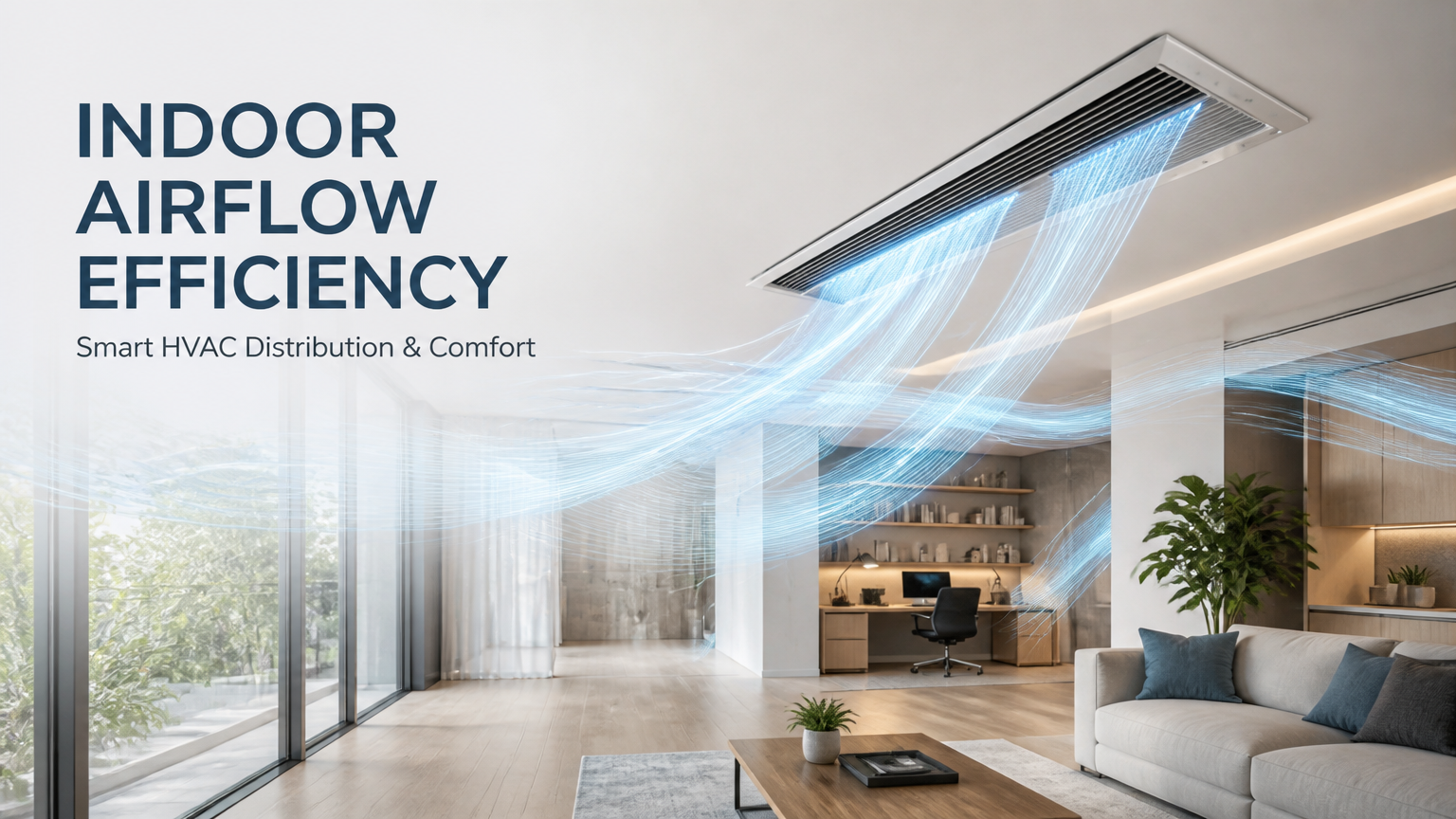
Indoor comfort is not determined by the capacity of a heating or cooling system alone. It also depends on indoor airflow efficiency—how evenly conditioned air moves through a room, a corridor, or a connected commercial space. When airflow is weak at the end of a duct run or inconsistent between zones, occupants may experience hot and cold spots even while the main equipment is working normally. This can lead to longer operating periods, unnecessary energy use, and a less comfortable indoor environment.
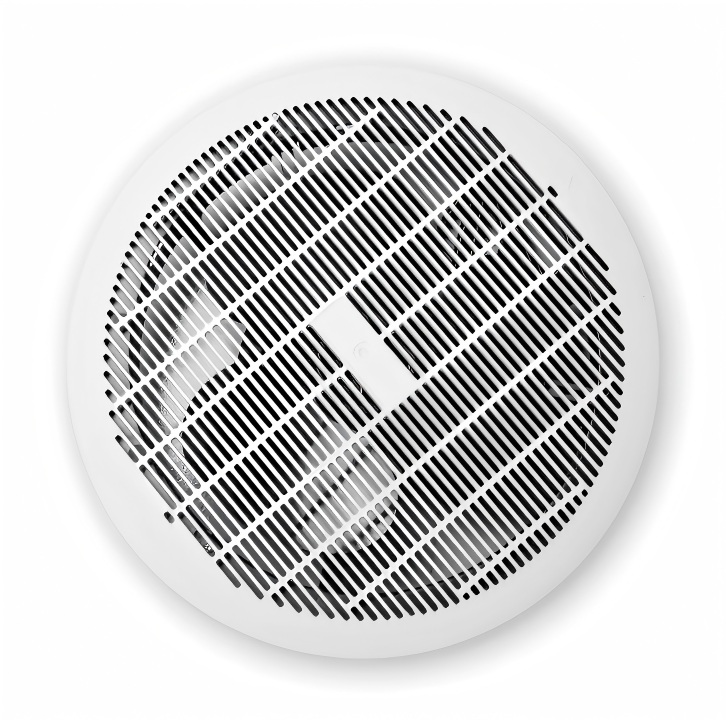
Modern HVAC airflow booster fans are designed to address this distribution challenge. Rather than replacing the central HVAC system, they support the movement of air where additional circulation is needed. This makes them useful for room extensions, long duct sections, renovated spaces, and areas where the existing system cannot be easily redesigned.
The Role of Brushless DC Motor Technology
A key development behind more efficient airflow support is the brushless DC motor. Traditional brushed motors rely on physical contact between brushes and a commutator. Over time, this contact creates friction, noise, and component wear. Brushless DC motors use electronic commutation instead, allowing the motor to operate with fewer mechanical contact points and more precise speed control.
For an airflow booster, this design can provide several practical benefits. The motor can adjust its operating speed to match changing airflow requirements, helping avoid the waste associated with constant full-power operation. Lower mechanical friction can also support quieter performance, which is particularly valuable in bedrooms, offices, study areas, hospitality spaces, and other environments where background noise affects the user experience. In addition, reduced wear can help improve operational consistency over an extended service period, provided that the fan is correctly selected, installed, and maintained.
Smarter Airflow With More Flexible Installation
Energy efficiency is not simply a matter of using a smaller motor. It requires the motor, impeller, duct layout, controls, and installation conditions to work together. A well-designed booster solution can respond to real airflow demand instead of operating at one fixed output throughout the day. This approach can help improve comfort while reducing the risk of over-ventilation or excessive air movement.
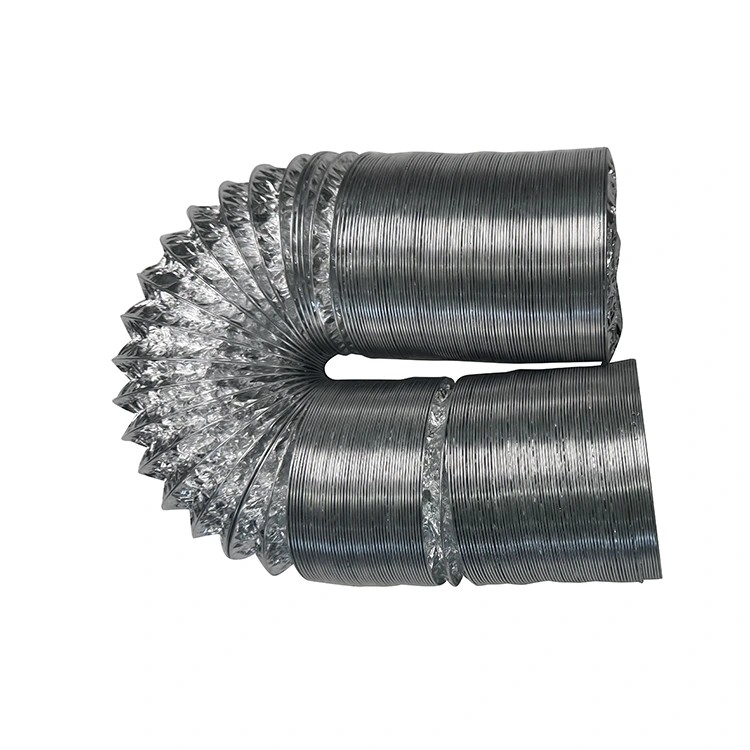
The compact format of HVAC airflow booster fans can also make them easier to integrate into existing systems. They may be considered when a property owner needs to improve circulation without opening large sections of a finished ceiling or replacing the primary air-handling equipment. Before installation, professionals should review duct dimensions, pressure requirements, electrical compatibility, access for maintenance, and local safety requirements. Correct sizing is essential: an oversized unit may create noise and turbulence, while an undersized unit may not solve the original airflow problem.
Supporting Comfort in Residential and Commercial Spaces
The value of better airflow distribution extends beyond temperature control. More balanced circulation can support a stable indoor environment in homes, apartments, offices, retail locations, and light commercial buildings. In spaces with uneven layouts, frequently used rooms may benefit from targeted airflow assistance, while less occupied areas can remain on a lower operating schedule when the control system allows it.
For manufacturers and project designers, the combination of efficient motor technology, adjustable operation, and installation flexibility creates more options for improving building performance. For property owners, the decision should be based on measured airflow conditions and a complete operating-cost assessment rather than on nominal fan power alone. Product documentation should clearly state performance data, electrical specifications, noise information, installation requirements, and applicable compliance details.
A Practical Path Toward More Efficient Air Movement
Brushless DC motor technology does not replace the need for sound HVAC design. It provides a more controllable foundation for targeted airflow improvement. When selected according to the actual duct resistance and room requirements, HVAC airflow booster fans can help close the gap between central equipment capacity and real-world comfort at the point of use.
The best next step is to inspect the problem before choosing the equipment: identify the weak zones, measure the existing airflow, confirm the available power supply, and define the desired operating schedule. A properly matched booster solution can then support quieter, more balanced, and more responsive air movement without requiring an unnecessarily large system upgrade. This practical approach makes indoor airflow efficiency a measurable design goal rather than a vague comfort claim.
We use cookies to offer you a better browsing experience, analyze site traffic and personalize content. By using this site, you agree to our use of cookies. Privacy Policy