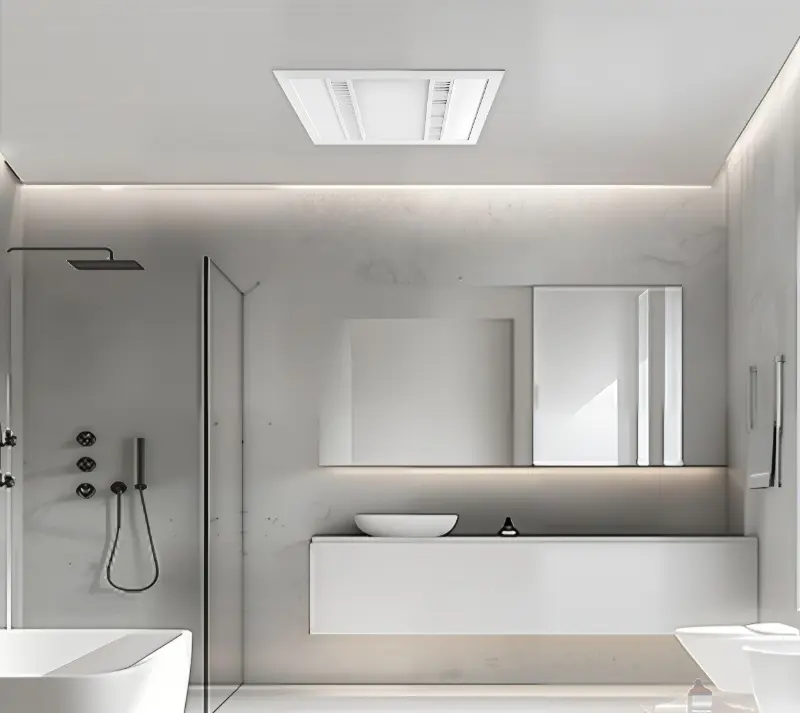
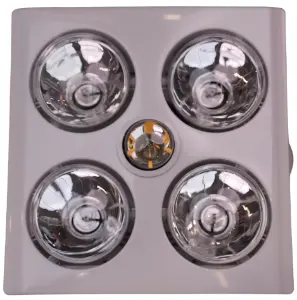
Bathrooms are becoming more than practical service areas. In homes, hotels, apartments, and shared commercial facilities, users increasingly expect a space that feels comfortable from the first minute of the day. This shift is encouraging designers and equipment buyers to look beyond basic lighting and water fixtures. A well-planned bathroom heating solution can help create a warmer, more welcoming environment while supporting a cleaner and more organized interior layout.
Why Temperature Matters in the Bathroom
The transition from a warm shower to a cold room can make an otherwise pleasant routine uncomfortable. Portable heaters may occupy valuable floor space, introduce visible cables, and create uneven warmth. Ceiling-mounted equipment offers a more discreet alternative by placing the heating function above the main activity area. This approach is particularly useful in compact bathrooms, renovated apartments, guest rooms, and commercial washrooms where usable floor area and visual simplicity are important design considerations.
Comfort also influences how a room is used. When the temperature feels more consistent, residents may be more willing to spend time on personal care, while hotel guests can enjoy a more refined experience. For property developers and facility managers, a carefully selected heating system can become part of a broader plan for dependable indoor comfort rather than an isolated seasonal appliance.
Combining Warmth with Practical Room Planning
Effective bathroom heating should be considered alongside ventilation, moisture control, lighting, and electrical safety. Heating does not replace an appropriate exhaust system, but it can contribute to a more pleasant environment when the room is planned as a complete system. Buyers should review the installation position, ceiling structure, power requirements, control method, noise expectations, and compatibility with existing ventilation equipment before choosing a solution.
A low-profile ceiling design can also preserve wall space for mirrors, storage, grab bars, or decorative finishes. In new construction and remodeling projects, this flexibility helps architects and installers maintain a cleaner visual line. It may also simplify the coordination of heating, lighting, and ventilation functions within one ceiling plan, provided that all technical clearances and local electrical requirements are checked by a qualified professional.
What Should Buyers Evaluate Before Installation?
Performance specifications are only one part of the decision. A responsible evaluation should include the room size, expected occupancy, local climate, insulation level, operating schedule, maintenance access, and user control preferences. Safety features, material durability, and documentation for the target market should also be confirmed before purchase. These checks help reduce installation changes and support a more predictable experience after the project is completed.
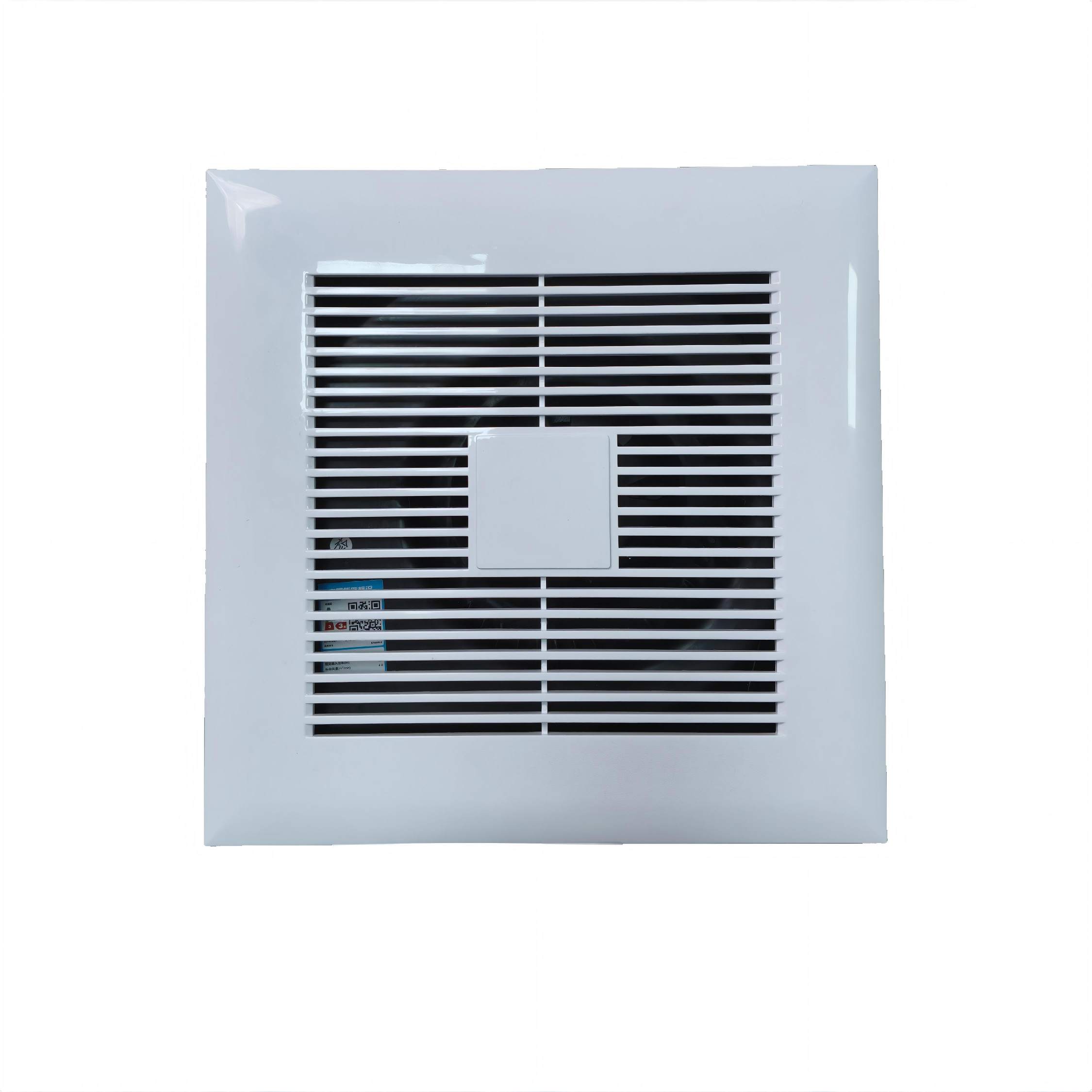
For product and project references, buyers can review the smart bathroom ceiling heater range and compare the available configuration with the intended room layout. The final selection should be based on verified specifications and the requirements of the destination market, not on appearance alone.
A More Considered Direction for Modern Bathroom Design
As residential and commercial interiors become more focused on comfort, efficiency, and uncluttered design, bathroom heating is increasingly being assessed as part of the overall user experience. The strongest solutions balance targeted warmth, discreet installation, convenient control, and responsible safety planning. With accurate measurements and professional installation, ceiling-based heating can support a bathroom that feels more comfortable, functions more smoothly, and fits naturally into contemporary architecture.
We use cookies to offer you a better browsing experience, analyze site traffic and personalize content. By using this site, you agree to our use of cookies. Privacy Policy