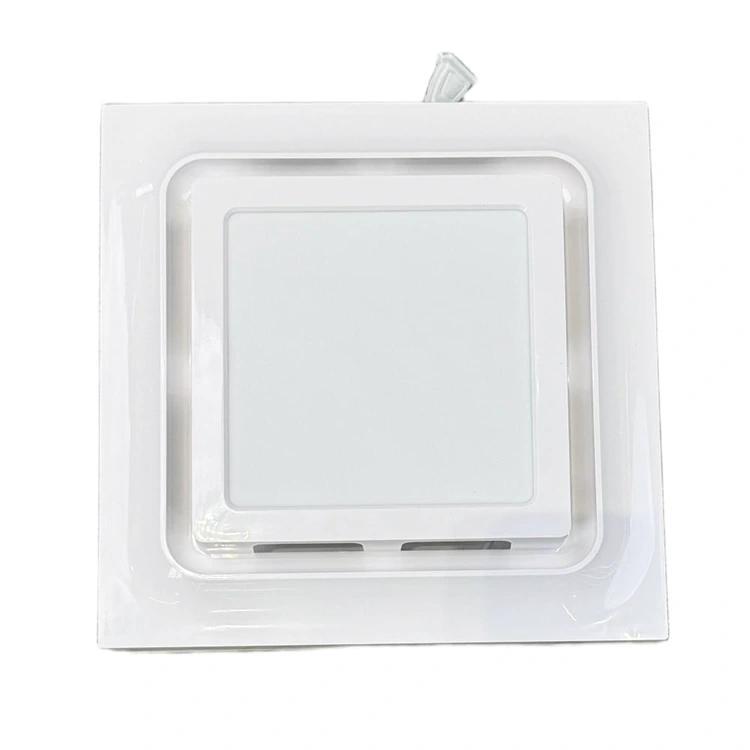
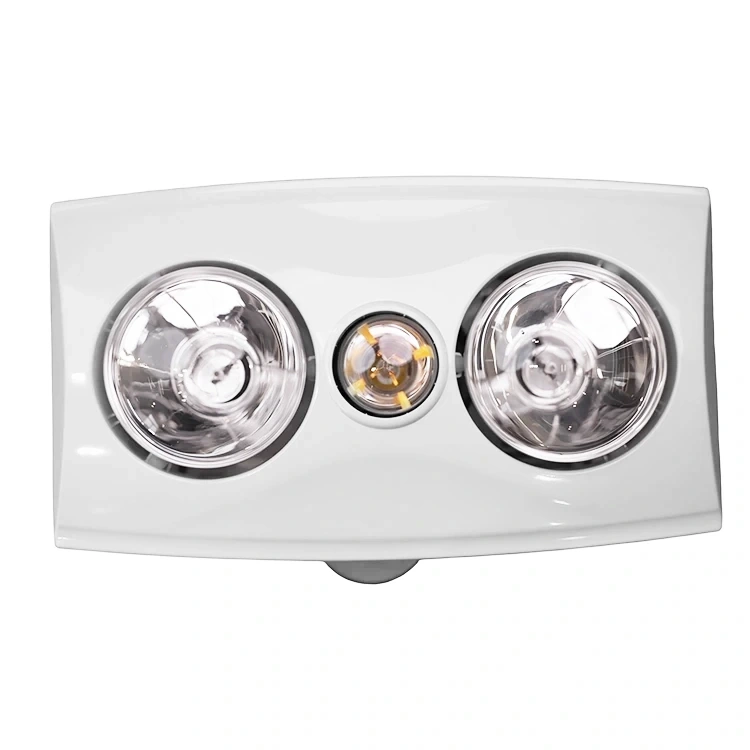
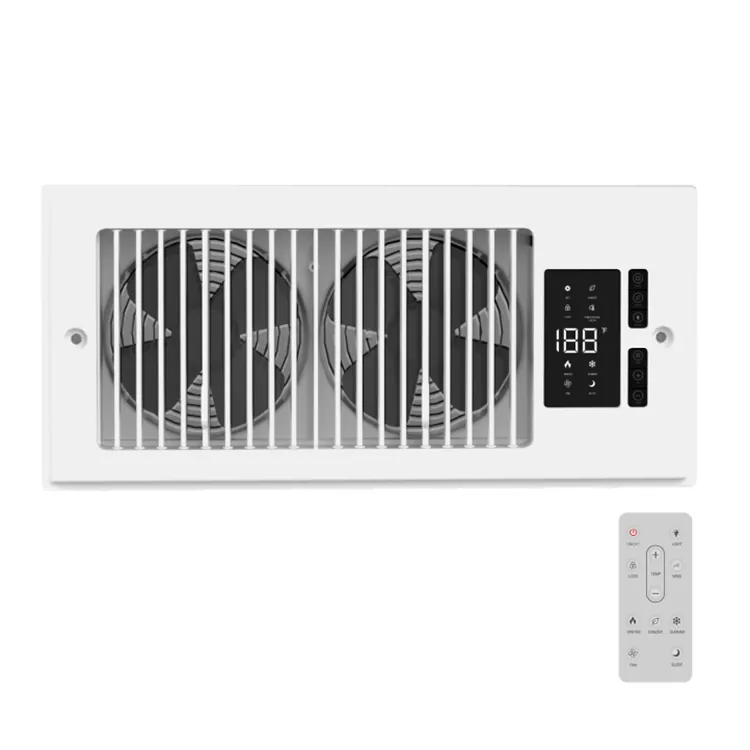
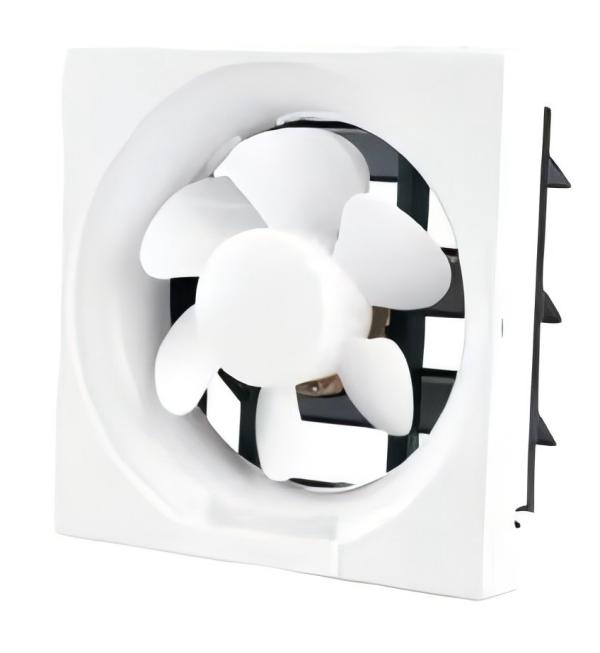
Air-moving equipment is entering a period of practical refinement. Users and manufacturers are looking beyond basic airflow output and paying closer attention to operating noise, control response, energy use, service life, and the consistency of performance over time. In this context, brushless DC motor technology is becoming an important direction for fans and other compact air-handling products. By combining electronic commutation with a more controlled motor design, this technology can support smoother operation and give product developers more flexibility when balancing performance with everyday usability.
Why Motor Design Matters to Air-Moving Products
The motor is one of the key components that determines how an air-moving product behaves during daily operation. A motor that starts abruptly, fluctuates under changing resistance, or produces excessive vibration can affect the entire user experience. In contrast, a well-matched motor and impeller can help deliver more stable rotation, controlled acceleration, and a quieter operating profile.
These characteristics matter in many indoor environments, including residential rooms, offices, retail spaces, equipment enclosures, and other areas where people expect reliable air movement without constant mechanical noise. Product designers can use electronic control to adjust operating behavior more precisely than a simple fixed-speed arrangement. The result is a platform that can be adapted to different airflow requirements while maintaining a cleaner and more predictable response.
Efficiency Is More Than a Single Power Figure
When buyers compare air-moving equipment, rated power is only one part of the evaluation. Actual efficiency is influenced by the interaction between the motor, impeller, housing, airflow resistance, control method, and operating schedule. A motor that works effectively across a useful speed range may help manufacturers develop several operating modes without relying on the same maximum output at all times.
This is one reason brushless DC motor technology attracts attention in product development. Electronic speed control can support a more responsive relationship between the required airflow and the motor's operating point. Actual results still depend on the complete product design and should be confirmed through appropriate testing. Responsible product communication should therefore describe verified performance rather than making broad energy-saving promises that are not supported by measured data.
Noise Control and Comfort in Everyday Use
Noise has become a meaningful design consideration for products installed near people. A fan may technically provide sufficient airflow, but users may still be dissatisfied if tonal noise, vibration, or frequent speed changes make the equipment noticeable. Motor selection, bearing quality, impeller balance, housing structure, and control logic all influence the final acoustic result.
A controlled motor platform can give designers more opportunities to fine-tune acceleration and speed transitions. This does not automatically make every product quiet, because acoustic performance depends on the whole assembly. However, it can support a more deliberate approach to sound management, especially when the product is intended for bedrooms, work areas, hospitality spaces, or other locations where a calmer environment is valued.
What Does the Technology Mean for Product Maintenance?
Long-term value is also connected to service requirements. A product with fewer wear-prone mechanical switching elements may offer a different maintenance profile from a conventional motor, but buyers should still review the actual construction, operating environment, protection design, and access for cleaning or inspection. Dust, moisture, blocked airflow, incorrect installation, and unsuitable electrical conditions can affect any motor system.
For manufacturers, a durable design should be supported by clear operating limits, accurate installation guidance, and practical service information. For distributors and users, the key question is not whether a technology sounds advanced, but whether the complete product can deliver consistent performance under its intended conditions. This broader evaluation helps prevent component-level features from being treated as a substitute for product testing.
Where Can Motor Innovation Go Next?
Future air-moving products are likely to be judged by how naturally performance, control, sound, and maintenance fit together. If you are evaluating brushless DC motor technology for a new fan or air-handling product, review the motor curve, control range, acoustic data, protection features, operating limits, and complete system test results rather than assessing the motor in isolation.
The strongest product direction is not simply to add electronic control. It is to use motor innovation to create air-moving equipment that responds more smoothly, operates more comfortably, and remains easier to evaluate throughout its useful life. As manufacturers continue improving the relationship between motor, impeller, housing, and controls, brushless design can become a practical foundation for the next generation of efficient indoor air movement.
We use cookies to offer you a better browsing experience, analyze site traffic and personalize content. By using this site, you agree to our use of cookies. Privacy Policy