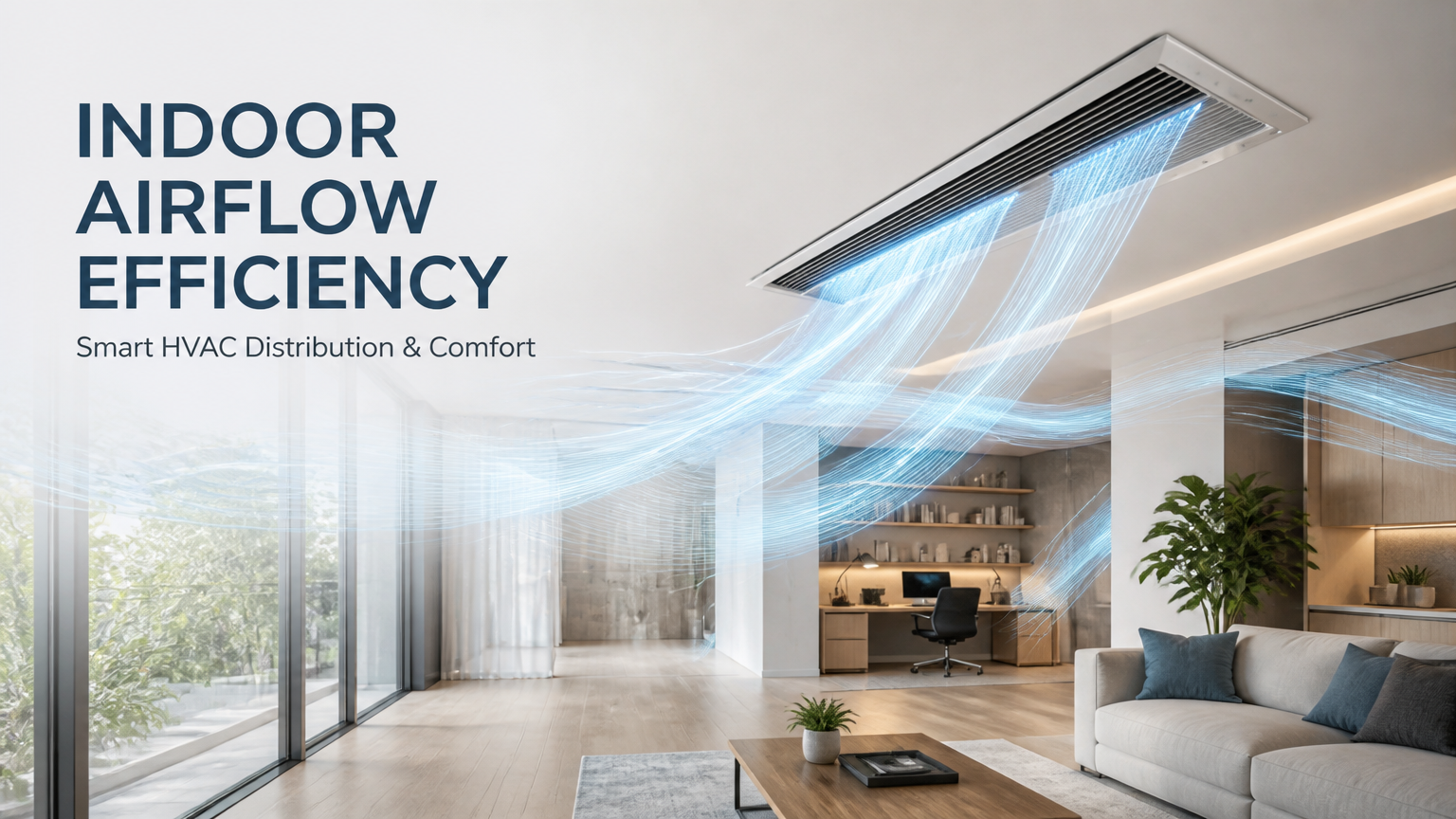
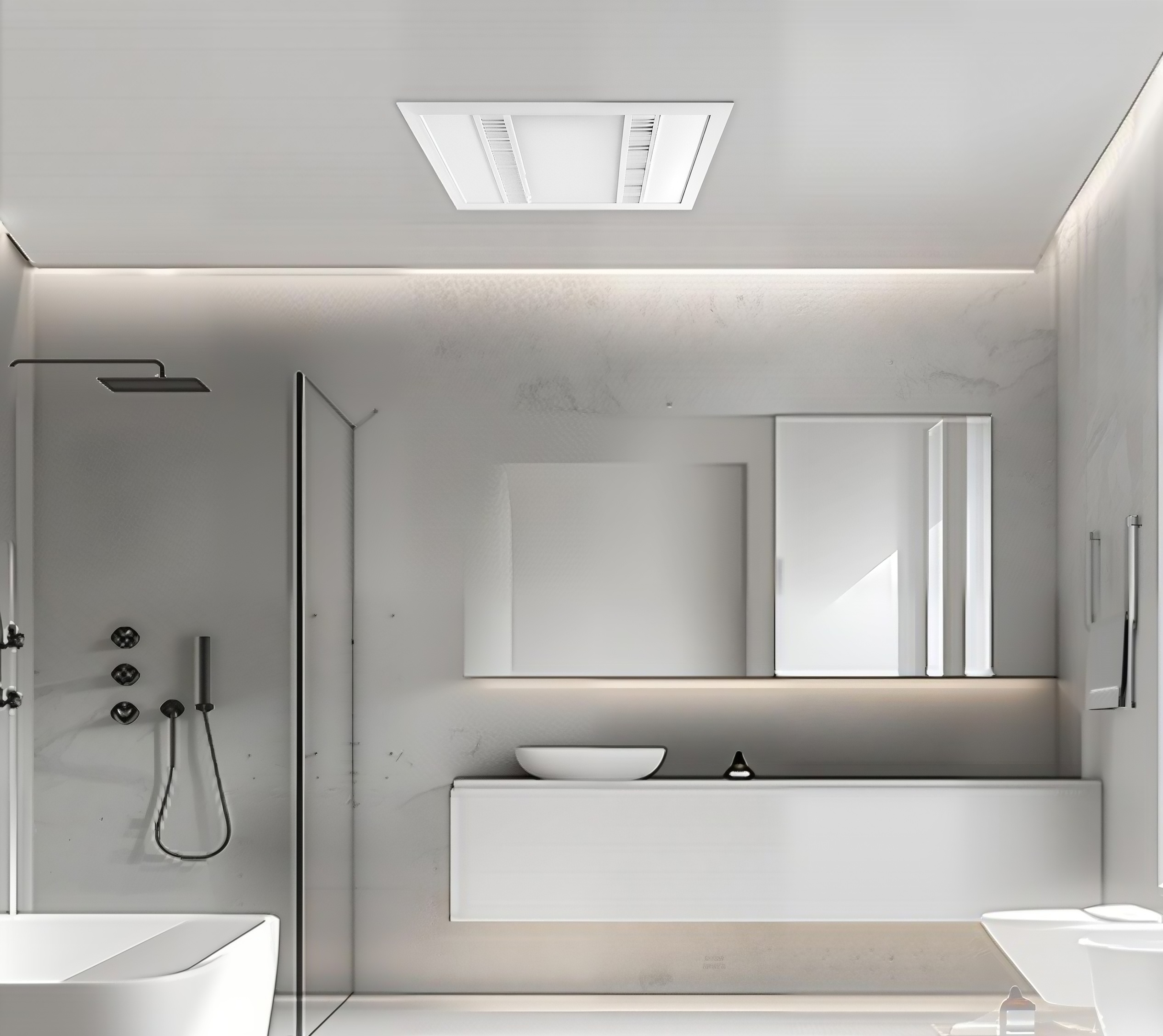
In a building with several rooms, good ventilation is not determined by the airflow volume in one location alone. A living room, bathroom, hallway, office, or retail area may each have different ventilation needs, yet all of them contribute to the indoor experience. If one space receives too much air while another remains poorly served, occupants may notice uneven comfort, lingering odors, excessive noise, or unnecessary energy use.
This is why airflow balancing is becoming an important consideration in the design of residential and commercial ventilation systems. Rather than treating every room as an identical zone, a balanced approach considers room size, layout, air-path resistance, occupancy patterns, and the position of supply or extraction points. The objective is to guide air where it is needed while avoiding excessive airflow in areas that do not require it.
From One-Size-Fits-All to Room-Specific Performance
A single ventilation setting may be simple to operate, but it does not always match the way a building is used. A quiet bedroom may need a different airflow profile from a frequently occupied meeting room. A corridor may require consistent circulation, while a bathroom or utility space may need targeted air removal at specific times. Designing around these differences can help improve the relationship between fan output, room function, and perceived comfort.
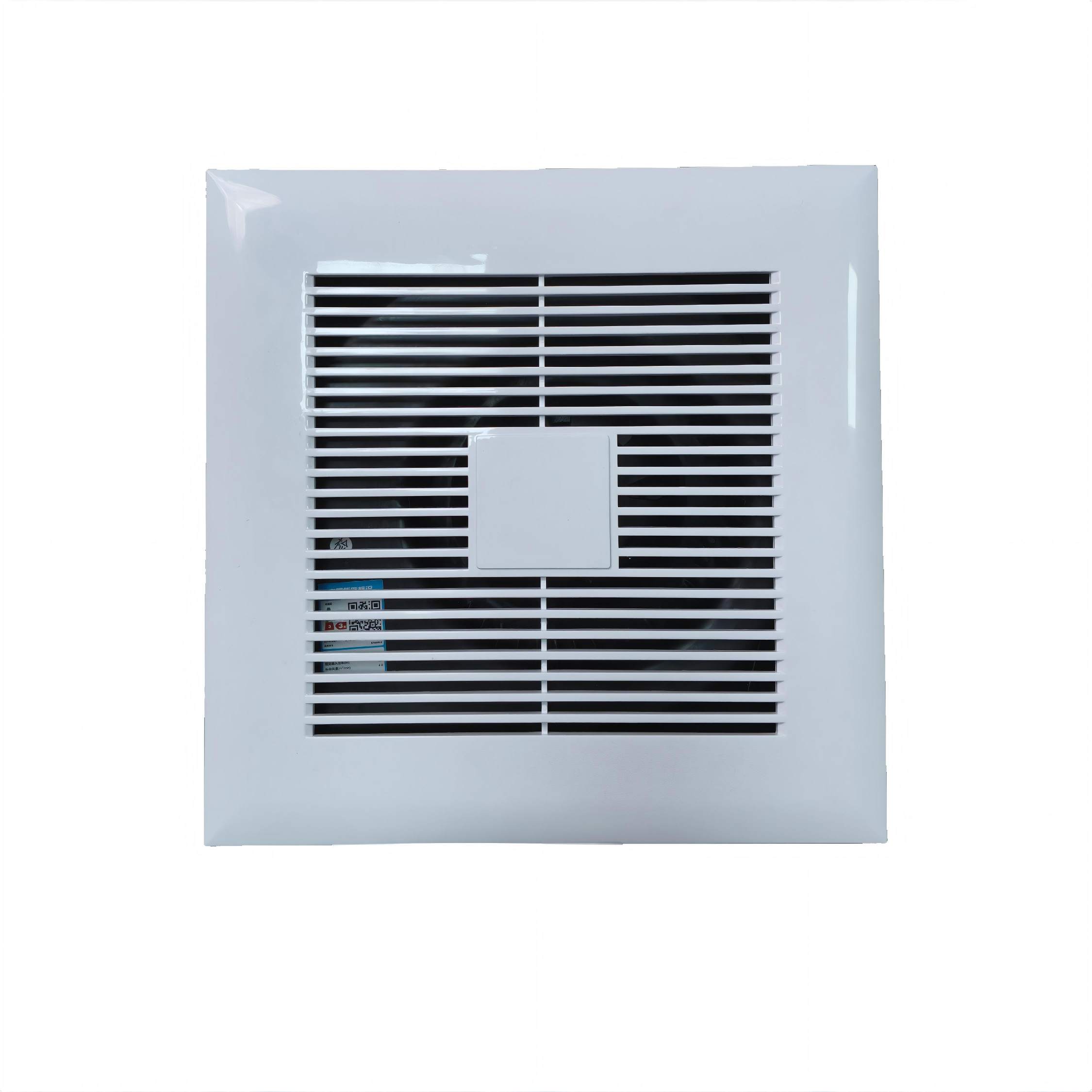
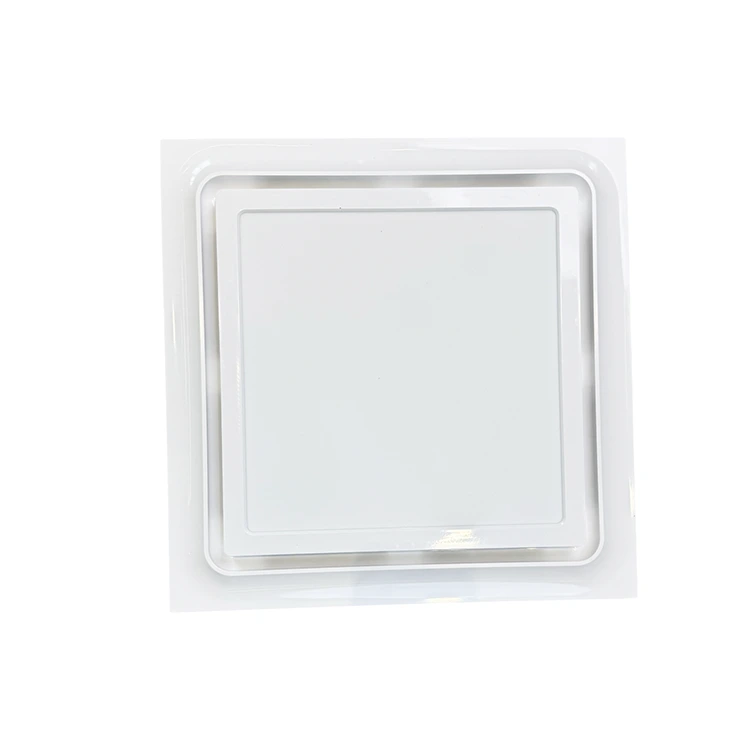
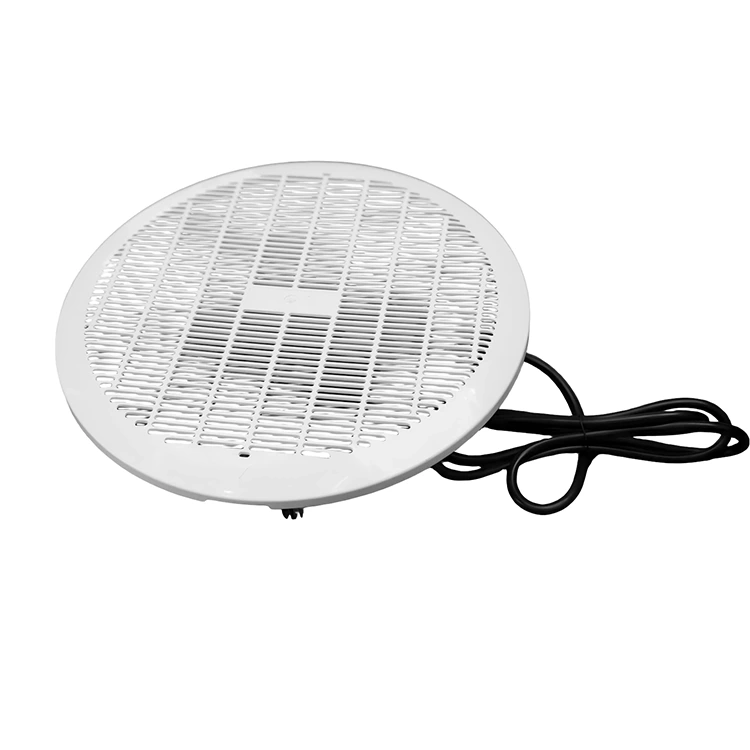
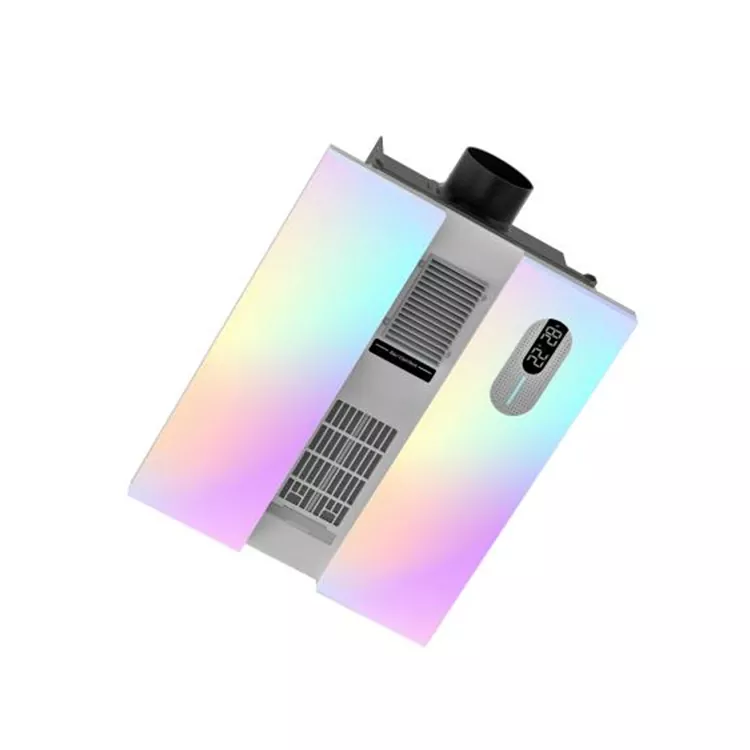
For equipment suppliers and project designers, this approach also encourages more careful product selection. Fan capacity, duct length, grille position, pressure resistance, and control compatibility all influence the final result. A compact airflow booster fan, for example, may be useful in a section of the system where distance or layout reduces circulation efficiency. It should be selected according to the actual system conditions rather than used as a universal replacement for proper design.
Supporting Quiet Operation and Practical Efficiency
Balanced air movement can contribute to a more pleasant indoor environment because it reduces the need to compensate for weak areas by running an entire system at a higher setting. When air is distributed more deliberately, selected spaces can receive the support they need without creating unnecessary turbulence or disturbance elsewhere. This can be especially valuable in homes, hospitality properties, offices, clinics, and retail environments where noise and comfort affect how people experience the space.
However, airflow balancing should not be presented as a stand-alone promise of energy savings. Actual performance depends on the complete installation, including equipment sizing, duct design, filter condition, controls, sealing, commissioning, and ongoing maintenance. A responsible product specification should therefore explain the operating conditions and installation requirements clearly, helping buyers make decisions based on the whole system rather than a single headline figure.
A Flexible Path for New and Existing Spaces
Airflow planning is relevant not only to new construction. Existing buildings may also benefit from a review of room-to-room circulation, especially after renovations, layout changes, or the conversion of a space into a home office, guest room, storage area, or commercial unit. In these cases, targeted airflow equipment can provide a practical way to address localized weaknesses while limiting the need for major structural changes.
For manufacturers, this creates an opportunity to develop products that are easy to integrate, straightforward to maintain, and adaptable to different installation scenarios. Clear specifications, reliable controls, suitable noise performance, and consistent quality are important factors in turning a ventilation component into a dependable building solution. In the long term, airflow balancing helps shift the focus from isolated fan performance to the way the entire indoor environment works together.
To explore products for residential and commercial ventilation applications, visit our Smart HVAC Register Booster Fan. A carefully planned combination of airflow assessment, correctly selected equipment, and professional installation can help create indoor spaces that feel more even, comfortable, and usable throughout the day.
We use cookies to offer you a better browsing experience, analyze site traffic and personalize content. By using this site, you agree to our use of cookies. Privacy Policy