When outfitting a patio, terrace, or outdoor commercial space with heating, the first technical decision you will face is the choice between infrared (radiant) and convection heating technologies. Each approach has distinct physical principles, performance characteristics, and ideal use cases. Understanding these differences will help you make an informed investment that delivers comfort without waste.
How Infrared Heating Works
Infrared heaters operate on the same principle as the sun: they emit electromagnetic radiation in the infrared spectrum that travels through the air without heating it and delivers thermal energy directly to solid surfaces — people, furniture, flooring — upon contact. This is fundamentally different from warming the air.
Key Characteristics of Infrared Outdoor Heaters
• Directional warmth: Heat is concentrated in the line-of-sight path of the heating element, creating a defined comfort zone. • Wind-resistant performance: Because infrared energy does not rely on air as a heat transfer medium, breezy conditions have minimal impact on perceived warmth — a critical advantage for exposed outdoor settings. • Instant comfort: There is no warm-up delay; warmth is felt the moment the unit is switched on. • Energy efficiency: No energy is wasted heating large volumes of air that quickly dissipate outdoors.
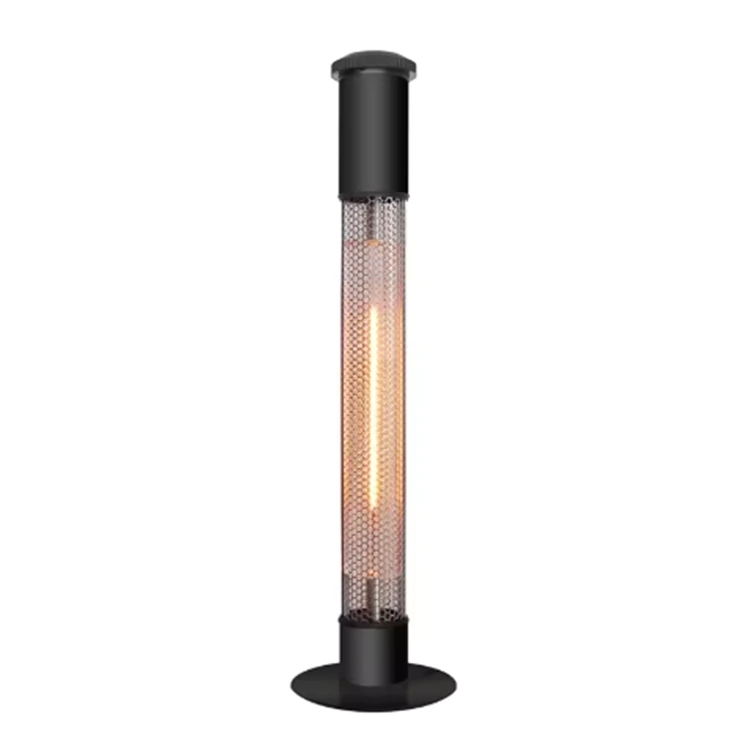
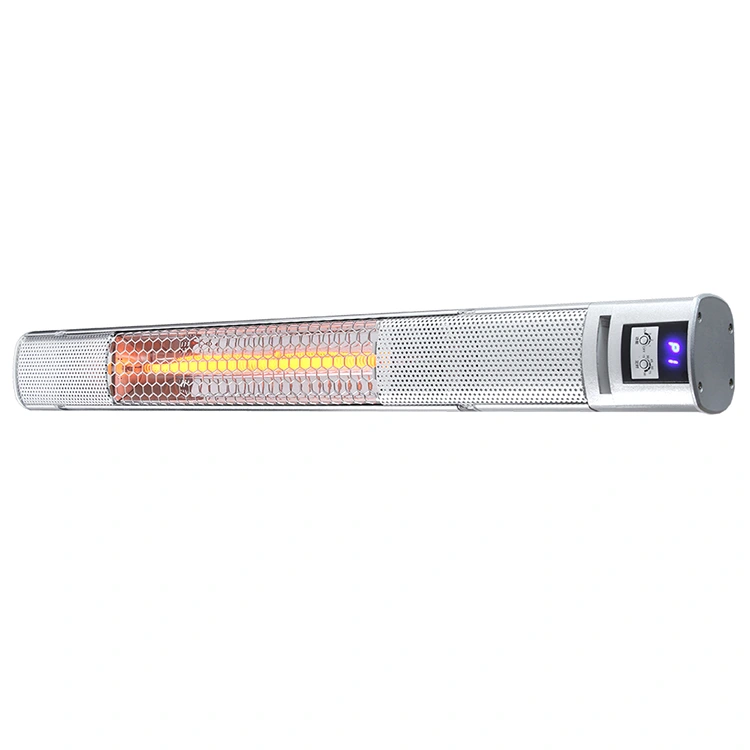
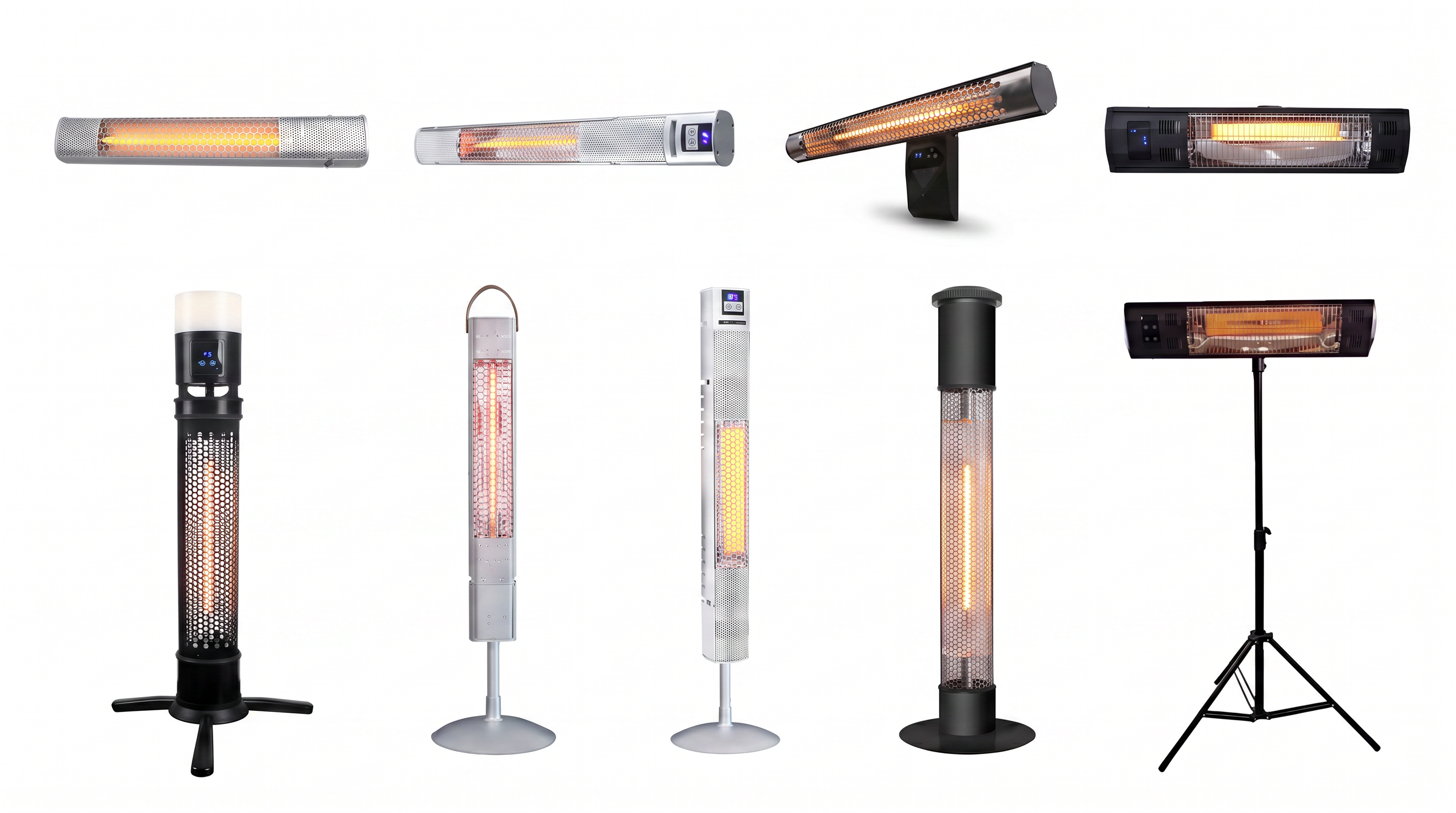
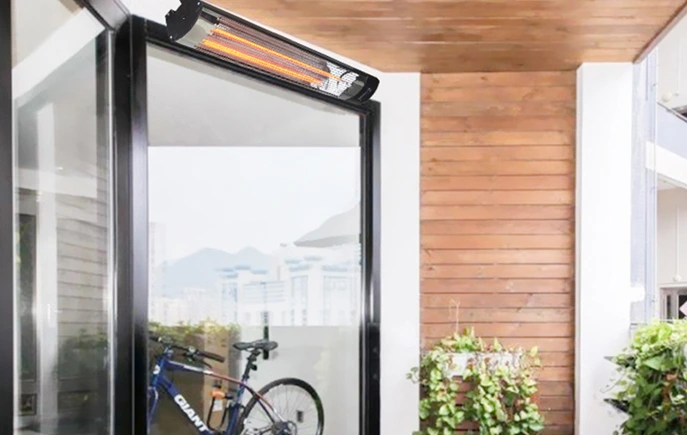
Infrared technology is the dominant choice for commercial outdoor heating and is widely used in restaurant terraces, hotel patios, and outdoor event spaces. Our portable radiant patio heaters and wall-mounted heaters leverage this principle for maximum efficiency.
How Convection Heating Works
Convection heaters warm the air directly — either by passing it over a heated element (fan-forced convection) or through natural circulation as warm air rises and cool air descends (natural convection). The heated air then transfers warmth to people and objects in the space.
Key Characteristics of Convection Outdoor Heaters
• Area warming: Convection heaters aim to raise the ambient temperature of a defined enclosed or semi-enclosed space.
• Slower response: There is a noticeable warm-up period as the unit heats the surrounding air volume.
• Wind vulnerability: In open outdoor settings, heated air is easily displaced by wind, reducing efficiency dramatically.
• Better for enclosed spaces: Convection works best in spaces with walls or wind barriers that contain the heated air.
Head-to-Head Comparison
Criterion
Infrared (Radiant)
Convection
Heat delivery speed
Instant
Gradual (air must warm up)
Wind resistance
Excellent
Poor (heated air blows away)
Coverage pattern
Directional / zonal
Area-wide (in enclosed spaces)
Outdoor suitability
Ideal for open spaces
Better for enclosed/semi-enclosed areas
Operating cost
Generally lower (targeted heating)
Higher outdoors (energy lost to environment)
Noise
Silent
Fan-forced models produce audible airflow
Installation flexibility
Wall, ceiling, or freestanding
Typically fixed installation
Which Technology Should You Choose?
Choose Infrared If:
You are heating an open or semi-open outdoor space — a restaurant terrace, a hotel pool deck, a smoking area, or a residential patio. The ability to deliver targeted warmth without fighting the wind makes infrared the clear winner for genuinely outdoor applications. For commercial venues, the instant-on characteristic also means heaters can be activated only when guests are present, maximizing energy efficiency.
Consider Convection If:
You have an enclosed outdoor structure — a glass-walled conservatory, a fully enclosed patio, a three-season room, or a tented event space with sidewalls. When wind is not a factor and the goal is to raise the ambient temperature of a contained volume, convection becomes a viable and sometimes preferred option.
Chenrui's Outdoor Heating Solutions
At Jiaxing Chenrui Electrical Technology Co., Ltd. , our outdoor heating product range is built primarily on proven infrared technology — the most effective and efficient approach for the real-world conditions our commercial and residential customers face. From compact [wall-mounted heaters](https://www.chenrui-electrical.com/wall-mounted-heater.html) to high-output [electric infrared radiant heaters](https://www.chenrui-electrical.com/electric-infrared-radiant.html) , each model is engineered for durability, safety, and performance in challenging outdoor environments.
Contact us today to discuss your outdoor heating project. Our team can help you determine the optimal heater type, quantity, and placement for maximum comfort and efficiency.
We use cookies to offer you a better browsing experience, analyze site traffic and personalize content. By using this site, you agree to our use of cookies.Privacy Policy