How Does a Fast Airflow Exhaust Fan Improve Ventilation and Efficiency?
Article Summary
Fast airflow exhaust fans are essential tools for maintaining optimal air circulation in residential, commercial, and industrial spaces. This article explains how these fans work, their benefits, and how to select the right model for specific applications. We cover performance parameters, installation tips, maintenance practices, and frequently asked questions to help customers make informed decisions while addressing common ventilation challenges.
Table of Contents
- 1. What Is a Fast Airflow Exhaust Fan?
- 2. How Does a Fast Airflow Exhaust Fan Work?
- 3. Benefits of Using a Fast Airflow Exhaust Fan
- 4. Key Features and Technical Parameters
- 5. Types of Fast Airflow Exhaust Fans
- 6. How to Choose the Right Fan
- 7. Installation and Maintenance Tips
- 8. Frequently Asked Questions
- 9. Conclusion
1. What Is a Fast Airflow Exhaust Fan?
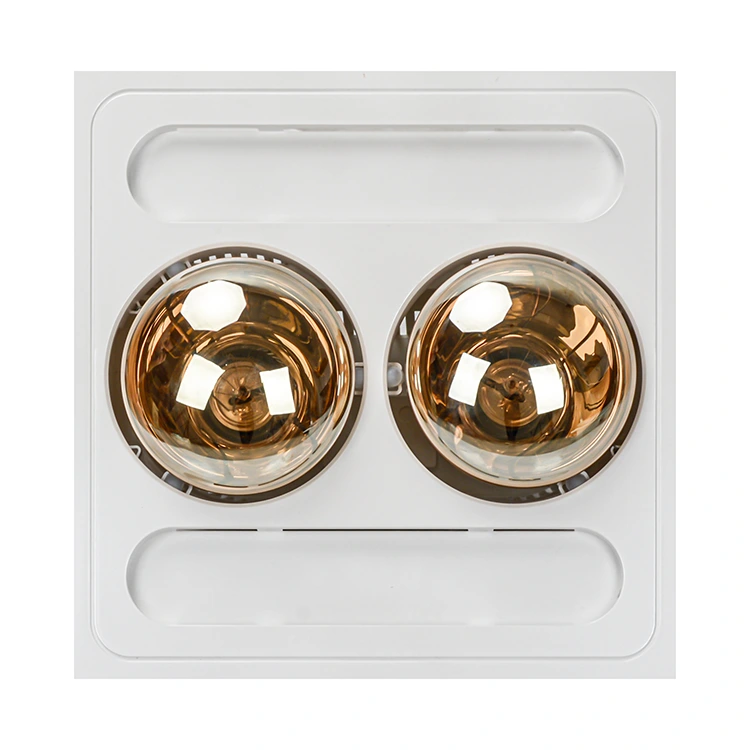
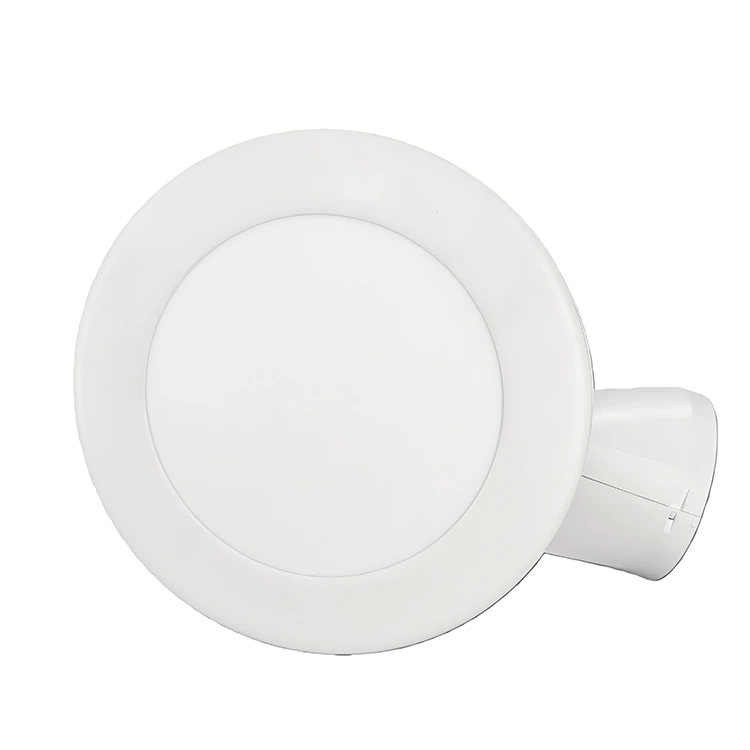
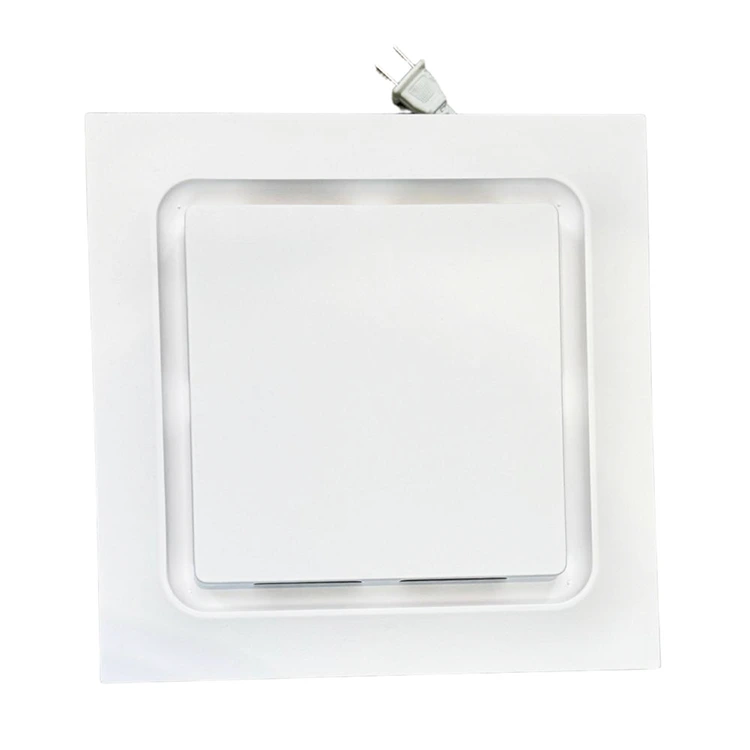
A fast airflow exhaust fan is a mechanical device designed to remove stale air, smoke, odors, and excess heat from an enclosed space. By generating a high volume of airflow, these fans ensure continuous ventilation and improve indoor air quality. They are commonly installed in kitchens, bathrooms, warehouses, factories, and server rooms.
Unlike standard ventilation fans, fast airflow exhaust fans prioritize rapid air movement while maintaining low noise levels and energy efficiency. This makes them an ideal choice for areas with high occupancy or industrial operations.
2. How Does a Fast Airflow Exhaust Fan Work?
The operation of a fast airflow exhaust fan relies on efficient air displacement through a combination of motor power, fan blade design, and airflow channel optimization.
- Motor: High-speed electric motor drives the fan blades.
- Fan Blades: Aerodynamically designed to maximize airflow.
- Housing: Guides the airflow efficiently and minimizes turbulence.
- Exhaust Duct: Directs air out of the space quickly.
Advanced models may include features such as variable speed controls, energy-saving modes, and built-in sensors for automatic operation. These enhancements allow precise management of ventilation based on real-time environmental conditions.
3. Benefits of Using a Fast Airflow Exhaust Fan
Installing a fast airflow exhaust fan brings multiple advantages across different settings:
- Enhanced Air Quality: Quickly removes pollutants, odors, and moisture.
- Temperature Control: Reduces heat buildup in industrial or commercial environments.
- Energy Efficiency: Improves HVAC system performance by reducing load.
- Compliance: Meets workplace safety and health standards for air circulation.
- Equipment Longevity: Reduces humidity and prevents damage to sensitive machinery.
4. Key Features and Technical Parameters
| Parameter | Description |
| Airflow Capacity | Measured in cubic meters per hour (m³/h), indicates the volume of air moved |
| Power Consumption | Electricity usage in watts (W), affects operational cost |
| Noise Level | Measured in decibels (dB), critical for comfort in residential and office spaces |
| Motor Type | AC or DC motor, determines efficiency and durability |
| Fan Blade Material | Aluminum, steel, or plastic, affects longevity and airflow performance |
| Installation Type | Wall-mounted, ceiling-mounted, or inline duct fan |
| Control Options | Manual switch, speed regulator, or smart sensor integration |
5. Types of Fast Airflow Exhaust Fans
There are several categories of fast airflow exhaust fans, each suited to specific applications:
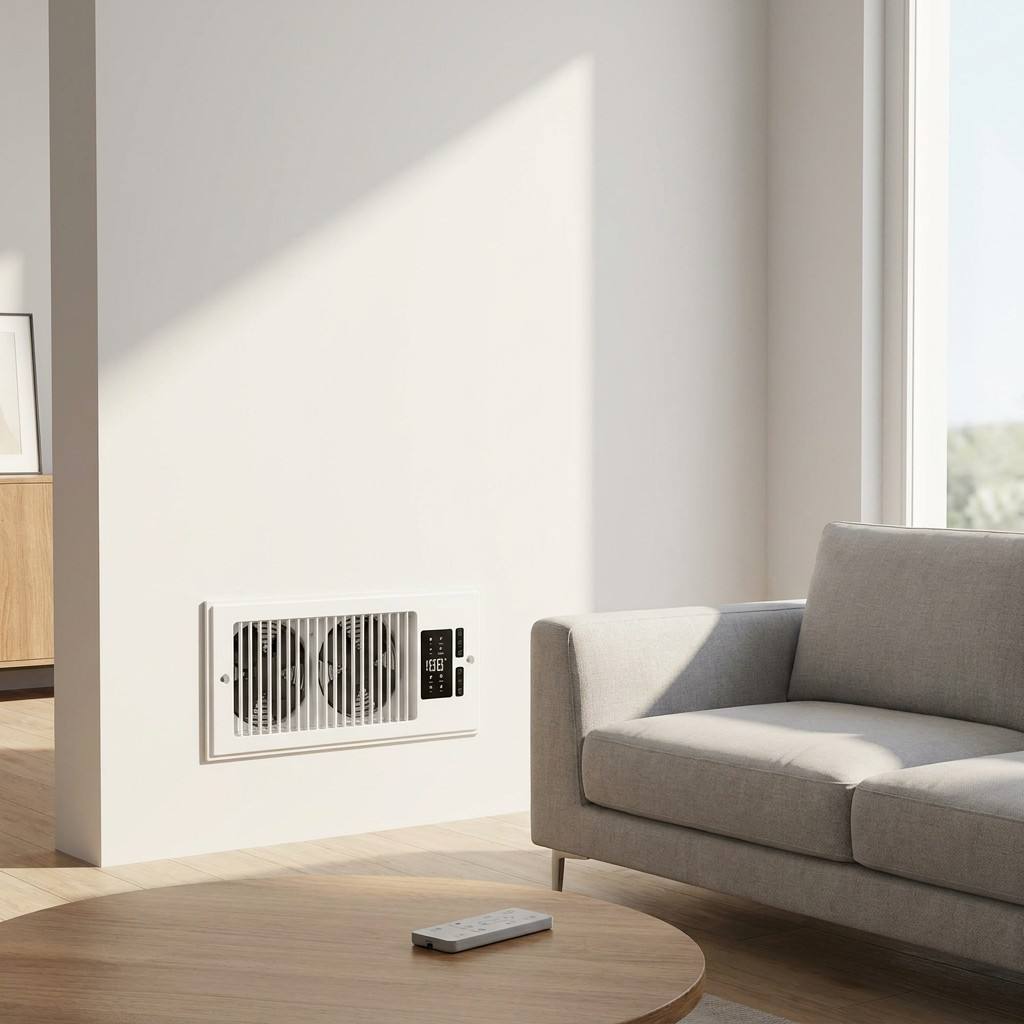
- Wall-Mounted Fans: Ideal for kitchens and bathrooms for rapid extraction of odors and moisture.
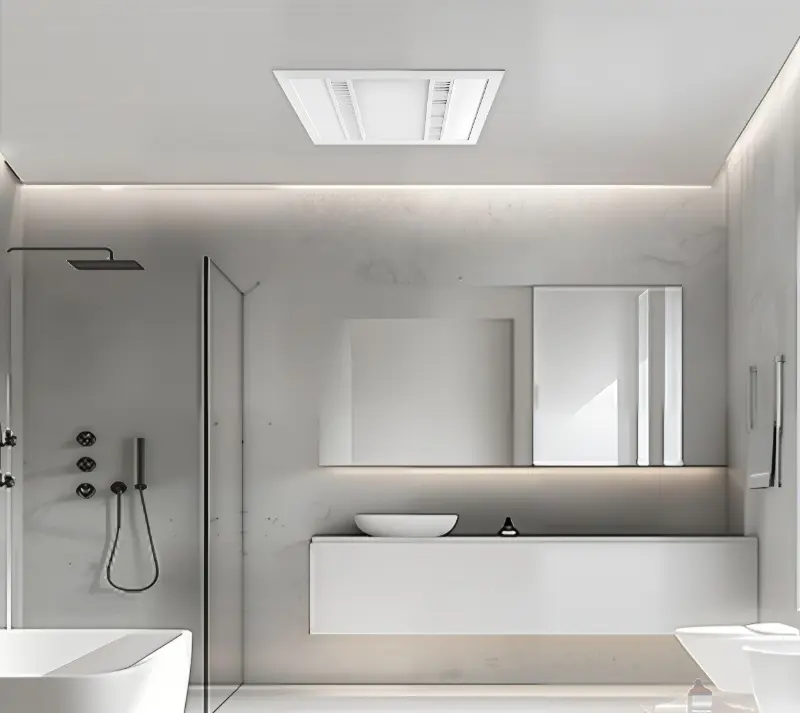
- Ceiling Fans: Used in offices, classrooms, and public buildings.
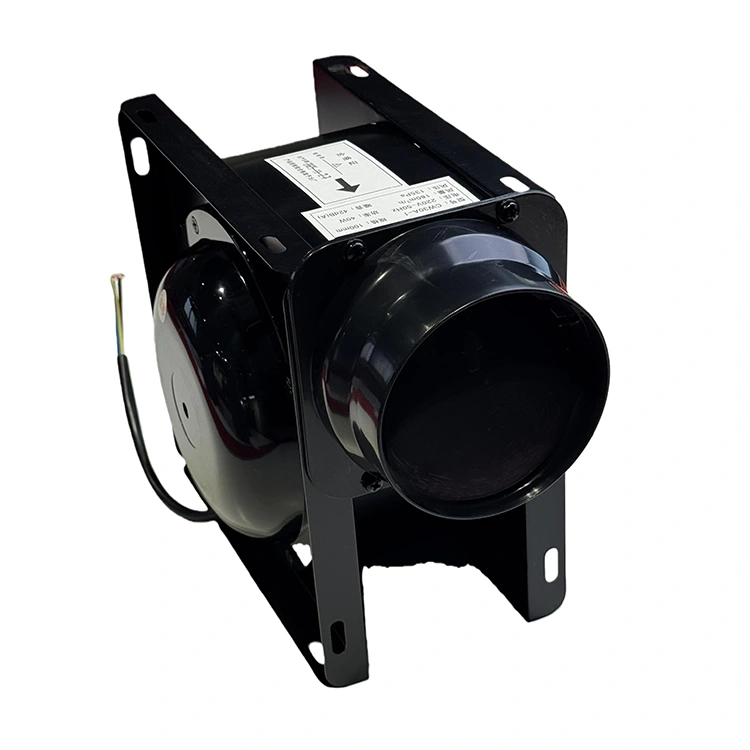
- Inline Duct Fans: Installed within ductwork for large-scale ventilation in industrial settings.
- Explosion-Proof Fans: Designed for hazardous environments like chemical plants or manufacturing facilities.
6. How to Choose the Right Fan
Selecting a suitable fast airflow exhaust fan depends on the following considerations:
- Space Size: Calculate the required airflow based on room volume.
- Noise Sensitivity: Choose low-noise models for offices or living areas.
- Energy Efficiency: Consider power consumption vs. airflow output.
- Material and Durability: Corrosion-resistant materials for humid or industrial environments.
- Control Options: Manual, automatic, or smart control depending on usage pattern.
Evaluating these factors ensures long-term satisfaction, optimal ventilation, and energy savings.
7. Installation and Maintenance Tips
Proper installation and routine maintenance extend the fan’s lifespan and ensure maximum performance:
- Follow manufacturer guidelines for wiring and mounting.
- Ensure proper sealing of ducts to prevent air leakage.
- Clean fan blades and housing regularly to prevent dust accumulation.
- Lubricate motor bearings if required.
- Inspect electrical connections and replace damaged components promptly.
Routine inspection also ensures compliance with safety regulations and prevents unexpected failures.
8. Frequently Asked Questions
Q1: Can a fast airflow exhaust fan reduce indoor humidity?
Yes, by quickly removing moist air, these fans reduce humidity and prevent mold growth.
Q2: Are fast airflow fans noisy?
Modern designs prioritize low noise while maintaining high airflow, typically between 30–50 dB for residential models.
Q3: How often should the fan be maintained?
Maintenance is recommended every 3–6 months depending on usage and environmental conditions.
Q4: Can it be used in industrial settings?
Yes, inline and explosion-proof models are specifically designed for industrial environments.
9. Conclusion
Fast airflow exhaust fans are vital for maintaining air quality, temperature control, and energy efficiency across multiple applications. By understanding operational principles, key features, and maintenance requirements, users can select a solution tailored to their space and needs.
Jiaxing Chenrui Electrical Technology Co., Ltd. provides advanced fast airflow exhaust fans engineered for reliability, high performance, and long-term durability.
If you want to enhance ventilation efficiency and ensure consistent air quality in your facility, contact us today to explore our products and professional support.
Related News
- Can a Register Booster Fan Improve Comfort in Every Room?
- Can Exhaust Fans with Moisture Sensors Improve Air Quality?
- How Are Bathroom Heaters Changing Modern Indoor Comfort?
- How Does Proper Bathroom Heater Installation Improve Safety?
- Could Bathroom Wellness Design Raise Comfort Standards?
- Infrared vs. Convection Heaters: Which Outdoor Heating Technology Is Right for Your Space?
Leave me a message